
Pillars

Behavioural Science in Business Strategy

How understanding human behaviour helps leaders turn strategy into action.

Luke Battye (UK)

·

Pillars

Behavioural Science in Business Strategy

How understanding human behaviour helps leaders turn strategy into action.

Luke Battye (UK)

·

Pillars

Behavioural Science in Business Strategy

How understanding human behaviour helps leaders turn strategy into action.

Luke Battye (UK)

·

Why Behavioural Science belongs in strategy

Why Behavioural Science belongs in strategy

Why Behavioural Science belongs in strategy

Every new strategy requires change, and change means asking people to think and act differently.

Traditional strategy frameworks assume people will do what makes sense on paper. In reality, they do what feels easy, familiar, and safe.

That’s why so many strategies stall after launch.

  • Teams revert to old ways of working because habits are comfortable.

  • Managers delay tough calls to avoid risk or friction.

  • People protect existing routines because ambiguity feels threatening.

It’s not that they don’t believe in the strategy; it’s that the human brain is wired to conserve effort and avoid loss.

Taking a behavioural science-based approach to strategy bridges the gap by helping leaders design for how people actually behave, not how we (or our slide decks) wish they would.

According to Luke Battye, Behavioural Scientist and Founder of Sprint Valley:

“The difference between a plan and meaningful momentum is simple: one assumes logic drives action, the other recognises that people do."

This guide shows you how to turn strategic intent into behaviour that sticks by using practical, proven tools from behavioural science.

You’ll learn why strategies stall after launch, how small design choices can unlock adoption, and what leading organisations do differently to jumpstart the momentum on new strategic plans.

Traditional strategy frameworks assume people will do what makes sense on paper. In reality, they do what feels easy, familiar, and safe.

That’s why so many strategies stall after launch.

  • Teams revert to old ways of working because habits are comfortable.

  • Managers delay tough calls to avoid risk or friction.

  • People protect existing routines because ambiguity feels threatening.

It’s not that they don’t believe in the strategy; it’s that the human brain is wired to conserve effort and avoid loss.

Taking a behavioural science-based approach to strategy bridges the gap by helping leaders design for how people actually behave, not how we (or our slide decks) wish they would.

According to Luke Battye, Behavioural Scientist and Founder of Sprint Valley:

“The difference between a plan and meaningful momentum is simple: one assumes logic drives action, the other recognises that people do."

This guide shows you how to turn strategic intent into behaviour that sticks by using practical, proven tools from behavioural science.

You’ll learn why strategies stall after launch, how small design choices can unlock adoption, and what leading organisations do differently to jumpstart the momentum on new strategic plans.

Traditional strategy frameworks assume people will do what makes sense on paper. In reality, they do what feels easy, familiar, and safe.

That’s why so many strategies stall after launch.

  • Teams revert to old ways of working because habits are comfortable.

  • Managers delay tough calls to avoid risk or friction.

  • People protect existing routines because ambiguity feels threatening.

It’s not that they don’t believe in the strategy; it’s that the human brain is wired to conserve effort and avoid loss.

Taking a behavioural science-based approach to strategy bridges the gap by helping leaders design for how people actually behave, not how we (or our slide decks) wish they would.

According to Luke Battye, Behavioural Scientist and Founder of Sprint Valley:

“The difference between a plan and meaningful momentum is simple: one assumes logic drives action, the other recognises that people do."

This guide shows you how to turn strategic intent into behaviour that sticks by using practical, proven tools from behavioural science.

You’ll learn why strategies stall after launch, how small design choices can unlock adoption, and what leading organisations do differently to jumpstart the momentum on new strategic plans.

In this guide, youll discover:

Clear explanations of key behavioural science principles (without the jargon)

A practical diagnostic to prepare you for strategic change

Five actions every leader can use to create real momentum

What is Behavioural Science?

What is Behavioural Science?

What is Behavioural Science?

Behavioural science explores how people make choices, form habits, and respond to the world around them.

It brings together insights from psychology, neuroscience, and economics to understand what drives human action. At its heart, it recognises that people aren’t perfectly rational — we’re influenced by the cues, emotions, and stories that surround us.

Once you look around, you may even see predictable patterns in your own behaviour:

  • We grab snacks near the checkout primarily because of convenience and impulse, not hunger.

  • We watch something from the Top 10 list on Netflix because it saves the effort of deciding what to watch

  • We follow what others are doing because it signals what’s safe or expected.

These everyday moments show that behaviour isn’t random; it follows reliable patterns. And when we understand those patterns, we can design environments that help people make better choices, more easily.

Behavioural science in organisational change

When it comes to organisational change, behavioural science helps teams adopt new mindsets, habits, and decision routines. It focuses on the small signals and structures that help teams adopt new ways of working. For example, it can help you:

Clarify direction by setting a small number of clear strategic pillars that teams can readily recall, helping everyone understand where to focus and how their work contributes.

Build ownership by involving teams in designing their own strategic plans for their function. Plans that are fully aligned to the organisation’s pillars, but created by the people who deliver them (the IKEA effect in action).

Signal support by holding regular strategy forums or sponsor check-ins that show leadership is engaged and invested in teams’ progress.

Reinforce progress by celebrating early wins to make change visible and strengthen the belief that the new direction is working.

Applied this way, behavioural science helps organisations build momentum for change from the inside out and makes it easier for teams to act in line with new priorities every day.

Behavioural science in market change

Behavioural science is equally powerful in the market. It helps shape how customers respond to new offers, pricing, and experiences by aligning these with how people naturally think and decide. For example:

  • Framing value effectively by testing different ways to position a product or service, such as focusing on what customers gain, avoid losing, or what others like them have already chosen.

  • Reducing friction by designing onboarding journeys that make first steps feel effortless, building confidence and commitment as customers progress.

  • Guiding decisions through pricing and choice architecture. For instance, simplifying options, setting smart defaults, or highlighting the most relevant plan.

  • Strengthening loyalty by introducing gamified elements that make progress tangible. For example, progress tracking, achievement badges, or rewards that encourage repeat behaviours.

Behavioural science helps organisations design market experiences that people respond to instinctively. It turns strategy into experiments that reveal what truly drives choice, conversion, and loyalty—ultimately, uncovering what genuinely drives conversion and sustained growth.

Read more: How behavioural science is used to shift average order value →

It brings together insights from psychology, neuroscience, and economics to understand what drives human action. At its heart, it recognises that people aren’t perfectly rational — we’re influenced by the cues, emotions, and stories that surround us.

Once you look around, you may even see predictable patterns in your own behaviour:

  • We grab snacks near the checkout primarily because of convenience and impulse, not hunger.

  • We watch something from the Top 10 list on Netflix because it saves the effort of deciding what to watch

  • We follow what others are doing because it signals what’s safe or expected.

These everyday moments show that behaviour isn’t random; it follows reliable patterns. And when we understand those patterns, we can design environments that help people make better choices, more easily.

Behavioural science in organisational change

When it comes to organisational change, behavioural science helps teams adopt new mindsets, habits, and decision routines. It focuses on the small signals and structures that help teams adopt new ways of working. For example, it can help you:

Clarify direction by setting a small number of clear strategic pillars that teams can readily recall, helping everyone understand where to focus and how their work contributes.

Build ownership by involving teams in designing their own strategic plans for their function. Plans that are fully aligned to the organisation’s pillars, but created by the people who deliver them (the IKEA effect in action).

Signal support by holding regular strategy forums or sponsor check-ins that show leadership is engaged and invested in teams’ progress.

Reinforce progress by celebrating early wins to make change visible and strengthen the belief that the new direction is working.

Applied this way, behavioural science helps organisations build momentum for change from the inside out and makes it easier for teams to act in line with new priorities every day.

Behavioural science in market change

Behavioural science is equally powerful in the market. It helps shape how customers respond to new offers, pricing, and experiences by aligning these with how people naturally think and decide. For example:

  • Framing value effectively by testing different ways to position a product or service, such as focusing on what customers gain, avoid losing, or what others like them have already chosen.

  • Reducing friction by designing onboarding journeys that make first steps feel effortless, building confidence and commitment as customers progress.

  • Guiding decisions through pricing and choice architecture. For instance, simplifying options, setting smart defaults, or highlighting the most relevant plan.

  • Strengthening loyalty by introducing gamified elements that make progress tangible. For example, progress tracking, achievement badges, or rewards that encourage repeat behaviours.

Behavioural science helps organisations design market experiences that people respond to instinctively. It turns strategy into experiments that reveal what truly drives choice, conversion, and loyalty—ultimately, uncovering what genuinely drives conversion and sustained growth.

Read more: How behavioural science is used to shift average order value →

It brings together insights from psychology, neuroscience, and economics to understand what drives human action. At its heart, it recognises that people aren’t perfectly rational — we’re influenced by the cues, emotions, and stories that surround us.

Once you look around, you may even see predictable patterns in your own behaviour:

  • We grab snacks near the checkout primarily because of convenience and impulse, not hunger.

  • We watch something from the Top 10 list on Netflix because it saves the effort of deciding what to watch

  • We follow what others are doing because it signals what’s safe or expected.

These everyday moments show that behaviour isn’t random; it follows reliable patterns. And when we understand those patterns, we can design environments that help people make better choices, more easily.

Behavioural science in organisational change

When it comes to organisational change, behavioural science helps teams adopt new mindsets, habits, and decision routines. It focuses on the small signals and structures that help teams adopt new ways of working. For example, it can help you:

Clarify direction by setting a small number of clear strategic pillars that teams can readily recall, helping everyone understand where to focus and how their work contributes.

Build ownership by involving teams in designing their own strategic plans for their function. Plans that are fully aligned to the organisation’s pillars, but created by the people who deliver them (the IKEA effect in action).

Signal support by holding regular strategy forums or sponsor check-ins that show leadership is engaged and invested in teams’ progress.

Reinforce progress by celebrating early wins to make change visible and strengthen the belief that the new direction is working.

Applied this way, behavioural science helps organisations build momentum for change from the inside out and makes it easier for teams to act in line with new priorities every day.

Behavioural science in market change

Behavioural science is equally powerful in the market. It helps shape how customers respond to new offers, pricing, and experiences by aligning these with how people naturally think and decide. For example:

  • Framing value effectively by testing different ways to position a product or service, such as focusing on what customers gain, avoid losing, or what others like them have already chosen.

  • Reducing friction by designing onboarding journeys that make first steps feel effortless, building confidence and commitment as customers progress.

  • Guiding decisions through pricing and choice architecture. For instance, simplifying options, setting smart defaults, or highlighting the most relevant plan.

  • Strengthening loyalty by introducing gamified elements that make progress tangible. For example, progress tracking, achievement badges, or rewards that encourage repeat behaviours.

Behavioural science helps organisations design market experiences that people respond to instinctively. It turns strategy into experiments that reveal what truly drives choice, conversion, and loyalty—ultimately, uncovering what genuinely drives conversion and sustained growth.

Read more: How behavioural science is used to shift average order value →

Sprint Valley’s formula for strategic change

At Sprint Valley, we use a simple but powerful framework to understand why people do what they do.

It is built on the idea that successful strategies work when doing the right thing feels easy, obvious, and rewarding. This requires three forces working together to drive an individual or team's behaviour: Capability, Opportunity and Motivation.

Capability

Do people have the skills and talent to act?

Opportunity

Does the environment, including systems and support, make it easy to act?

Motivation

 Is the strategy meaningful, is progress visible, and does feedback reinforce the desired behaviour?

Sprint Valley’s formula for strategic change

At Sprint Valley, we use a simple but powerful framework to understand why people do what they do.

It is built on the idea that successful strategies work when doing the right thing feels easy, obvious, and rewarding. This requires three forces working together to drive an individual or team's behaviour: Capability, Opportunity and Motivation.

Capability

Do people have the skills and talent to act?

Opportunity

Does the environment, including systems and support, make it easy to act?

Motivation

 Is the strategy meaningful, is progress visible, and does feedback reinforce the desired behaviour?

Sprint Valley’s formula for strategic change

At Sprint Valley, we use a simple but powerful framework to understand why people do what they do.

It is built on the idea that successful strategies work when doing the right thing feels easy, obvious, and rewarding. This requires three forces working together to drive an individual or team's behaviour: Capability, Opportunity and Motivation.

Capability

Do people have the skills and talent to act?

Opportunity

Does the environment, including systems and support, make it easy to act?

Motivation

 Is the strategy meaningful, is progress visible, and does feedback reinforce the desired behaviour?

Why even great strategies stall after launch

Why even great strategies stall after launch

Why even great strategies stall after launch

Most strategies fail not because the direction is wrong, but because one of these three ingredients of COM-B is missing.

Weak capability → People understand the ambition but lack the skill or confidence to act.

Missing opportunity → Systems, incentives, or workload make change harder than it has to be.

Low motivation → Teams don’t see visible progress or shared ownership, so energy fades.

We’d argue that each of these symptoms points to a hidden behavioural barrier, not a strategic one. So if you recognise any of these challenges creeping into your strategic implementation, it’s time to consider the COM-B model of behaviour change.

The role of COM-B and a behavioural science-led approach is to help leaders spot which lever is missing and design interventions that inspire the desired behaviour change

Read more: How to troubleshoot behavioural challenges using COM-B →


Weak capability → People understand the ambition but lack the skill or confidence to act.

Missing opportunity → Systems, incentives, or workload make change harder than it has to be.

Low motivation → Teams don’t see visible progress or shared ownership, so energy fades.

We’d argue that each of these symptoms points to a hidden behavioural barrier, not a strategic one. So if you recognise any of these challenges creeping into your strategic implementation, it’s time to consider the COM-B model of behaviour change.

The role of COM-B and a behavioural science-led approach is to help leaders spot which lever is missing and design interventions that inspire the desired behaviour change

Read more: How to troubleshoot behavioural challenges using COM-B →


Weak capability → People understand the ambition but lack the skill or confidence to act.

Missing opportunity → Systems, incentives, or workload make change harder than it has to be.

Low motivation → Teams don’t see visible progress or shared ownership, so energy fades.

We’d argue that each of these symptoms points to a hidden behavioural barrier, not a strategic one. So if you recognise any of these challenges creeping into your strategic implementation, it’s time to consider the COM-B model of behaviour change.

The role of COM-B and a behavioural science-led approach is to help leaders spot which lever is missing and design interventions that inspire the desired behaviour change

Read more: How to troubleshoot behavioural challenges using COM-B →


How design & behavioural science work together to drive change

How design & behavioural science work together to drive change

How design & behavioural science work together to drive change

How design & behavioural science work together to drive change

Each form of design offers a different way to influence behaviour, align systems, and embed change across an organisation.

At Sprint Valley, our designers help translate behavioural insights into interventions that drive strategic change inside your business and out in the market.

Here’s how four core design disciplines support strategy execution:

  • Graphic design makes priorities visible and focuses attention.

  • Service design connects processes and people around shared goals.

  • Experience design makes new behaviours intuitive and rewarding.

  • System design aligns structures and incentives so change sustains itself.

Graphic Design

Graphic design is the practice of using visual elements — such as layout, typography, and colour — to communicate information clearly and quickly.

In strategy execution, strong graphic design makes the invisible visible. It translates complex plans into simple artefacts, dashboards, and visual cues that direct attention and focus effort on what matters most.

Engage a graphic designer when your strategy needs to be seen, shared, and understood quickly and easily by internal teams. You’ll also work with a graphic designer when you’re shaping and testing new ways to influence behaviour in the market, from campaign concepts to prototype materials.

Service Design

Service design focuses on how people, processes, and technology work together to deliver value. It maps the end-to-end experience of a process or service from the user’s perspective and redesigns it to remove friction and improve flow.

In strategy execution, service design helps teams understand how strategic change touches different functions and roles. It reveals bottlenecks, clarifies handoffs, and helps create the conditions for new behaviours to take hold across the organisation.

Experience Design

Experience design is about shaping how people interact with products, tools, or environments so that those interactions feel intuitive and rewarding.

In strategy execution, experience design ensures that new behaviours feel natural and supported. Internally, that may mean redesigning how meetings run, how decisions are made, or how teams track progress. For your customers, it could mean simplifying customer journeys, improving onboarding flows, or refining service touchpoints so that desired actions happen effortlessly.

System Design

System design looks at how structures, incentives, and feedback loops influence behaviour at scale. It ensures that every part of the organisation reinforces the same priorities and desired actions.

For internal teams implementing strategy, that might mean refining performance measures or governance structures so teams are rewarded for the behaviours you want to see. Externally, it could mean adjusting partner models or customer incentives so the wider system supports the same outcomes. When systems reward the behaviours leaders want to see, change becomes self-sustaining.


5 behavioural science principles for strategic change

5 behavioural science principles for strategic change

5 behavioural science principles for strategic change

Behavioural scientists and designers rely on predictable patterns in human behaviour to design interventions that make change stick.

When applied to strategy, these same principles help leaders move from plans and presentations to action and momentum.

Here are five proven behavioural science principles to strengthen strategic implementation.


  1. Clarity beats complexity

Why it matters

Strategies often fail because they’re too abstract. Teams can’t act on phrases like “drive innovation” or “think customer-first.” Ambiguity increases cognitive load, which makes follow-through less likely.

Behavioural principle

Cognitive Load Theory. The brain has limited working memory, and when messages are complex or ambiguous, people default to inaction.

Action

Create focus, not noise. Define what truly matters, what’s fixed versus flexible, and make those priorities visible. Express strategy in clear, observable actions so teams know exactly where to direct their energy.

Read how the Williams F1 team uses a single question to guide decisions ⟶


  1. Defaults shape decisions

Why it matters

People naturally stick with what’s easy. The path of least resistance often determines whether a change sticks. By setting smart defaults — like automatic enrolment, pre-set reporting cadences, or structured decision templates — leaders can make the desired behaviour the easiest one.

Behavioural principle

Default Effect. People are more likely to accept a pre-set choice than to opt for alternatives.

Action

Identify where in your processes people must choose to engage and make participation the default. Build systems where the right behaviour happens automatically, not optionally.


  1. Framing shifts action

Why it matters

The same information, presented differently, can change decisions.
For example, “achieve 90% uptime” feels motivating, while “avoid 10% downtime” feels discouraging. Framing affects how people perceive risk, reward, and effort.

Behavioural principle

Framing Effect. The way information is presented alters how people evaluate risk and reward.

Action

Choose frames that emphasise gains, urgency, or shared purpose depending on the behaviour you need. Review strategic messages and metrics to ensure they motivate rather than threaten.


  1. Messengers matter

Why it matters

In strategy execution, who communicates change is just as important as what they say. People take cues from voices they trust — credibility shapes belief, and belief drives action.

Behavioural principle

Messenger effect. We are more likely to accept and act on information when it comes from a messenger we perceive as authoritative, expert, or relatable.

Action

Choose your messengers strategically. Use senior voices to signal importance, peers to create relatability, and experts to build confidence. Rotate who communicates to match what the team needs to feel — commitment, clarity, or trust.


  1. Proof creates momentum

Why it matters: People look for evidence that change is happening. When they see peers acting, they’re more likely to follow, especially when the outcome feels uncertain. When others’ success is visible, it signals safety, builds belief, and encourages more people to join in.

Behavioural principle: Social Proof. People look to others for cues on how to behave, especially when situations are ambiguous.

Action: Make progress visible. Highlight early adopters, celebrate small wins publicly, and share metrics that show movement. Build proof into every communication so momentum becomes self-reinforcing.
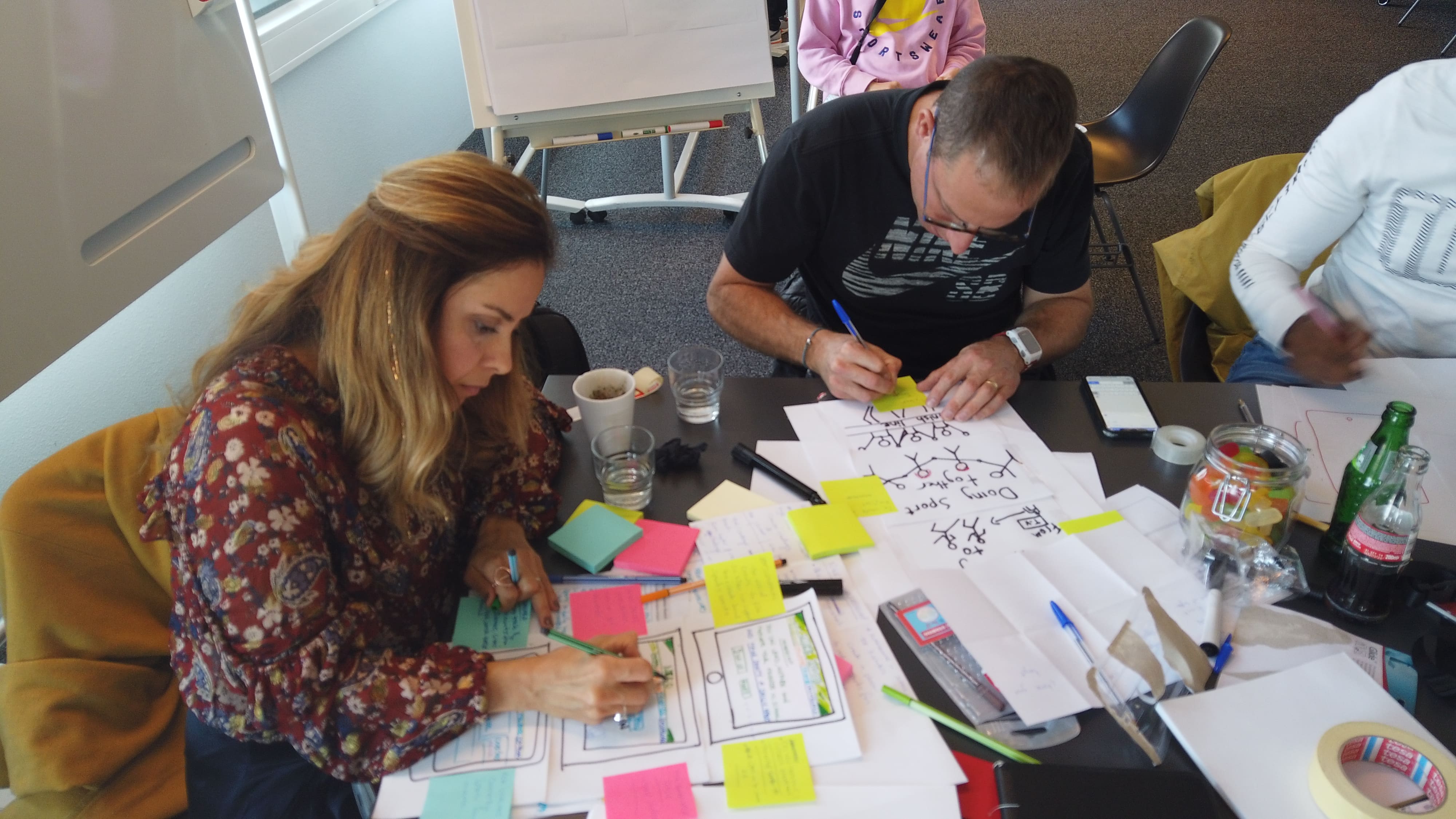
When applied to strategy, these same principles help leaders move from plans and presentations to action and momentum.

Here are five proven behavioural science principles to strengthen strategic implementation.


  1. Clarity beats complexity

Why it matters

Strategies often fail because they’re too abstract. Teams can’t act on phrases like “drive innovation” or “think customer-first.” Ambiguity increases cognitive load, which makes follow-through less likely.

Behavioural principle

Cognitive Load Theory. The brain has limited working memory, and when messages are complex or ambiguous, people default to inaction.

Action

Create focus, not noise. Define what truly matters, what’s fixed versus flexible, and make those priorities visible. Express strategy in clear, observable actions so teams know exactly where to direct their energy.

Read how the Williams F1 team uses a single question to guide decisions ⟶


  1. Defaults shape decisions

Why it matters

People naturally stick with what’s easy. The path of least resistance often determines whether a change sticks. By setting smart defaults — like automatic enrolment, pre-set reporting cadences, or structured decision templates — leaders can make the desired behaviour the easiest one.

Behavioural principle

Default Effect. People are more likely to accept a pre-set choice than to opt for alternatives.

Action

Identify where in your processes people must choose to engage and make participation the default. Build systems where the right behaviour happens automatically, not optionally.


  1. Framing shifts action

Why it matters

The same information, presented differently, can change decisions.
For example, “achieve 90% uptime” feels motivating, while “avoid 10% downtime” feels discouraging. Framing affects how people perceive risk, reward, and effort.

Behavioural principle

Framing Effect. The way information is presented alters how people evaluate risk and reward.

Action

Choose frames that emphasise gains, urgency, or shared purpose depending on the behaviour you need. Review strategic messages and metrics to ensure they motivate rather than threaten.


  1. Messengers matter

Why it matters

In strategy execution, who communicates change is just as important as what they say. People take cues from voices they trust — credibility shapes belief, and belief drives action.

Behavioural principle

Messenger effect. We are more likely to accept and act on information when it comes from a messenger we perceive as authoritative, expert, or relatable.

Action

Choose your messengers strategically. Use senior voices to signal importance, peers to create relatability, and experts to build confidence. Rotate who communicates to match what the team needs to feel — commitment, clarity, or trust.


  1. Proof creates momentum

Why it matters: People look for evidence that change is happening. When they see peers acting, they’re more likely to follow, especially when the outcome feels uncertain. When others’ success is visible, it signals safety, builds belief, and encourages more people to join in.

Behavioural principle: Social Proof. People look to others for cues on how to behave, especially when situations are ambiguous.

Action: Make progress visible. Highlight early adopters, celebrate small wins publicly, and share metrics that show movement. Build proof into every communication so momentum becomes self-reinforcing.

When applied to strategy, these same principles help leaders move from plans and presentations to action and momentum.

Here are five proven behavioural science principles to strengthen strategic implementation.


  1. Clarity beats complexity

Why it matters

Strategies often fail because they’re too abstract. Teams can’t act on phrases like “drive innovation” or “think customer-first.” Ambiguity increases cognitive load, which makes follow-through less likely.

Behavioural principle

Cognitive Load Theory. The brain has limited working memory, and when messages are complex or ambiguous, people default to inaction.

Action

Create focus, not noise. Define what truly matters, what’s fixed versus flexible, and make those priorities visible. Express strategy in clear, observable actions so teams know exactly where to direct their energy.

Read how the Williams F1 team uses a single question to guide decisions ⟶


  1. Defaults shape decisions

Why it matters

People naturally stick with what’s easy. The path of least resistance often determines whether a change sticks. By setting smart defaults — like automatic enrolment, pre-set reporting cadences, or structured decision templates — leaders can make the desired behaviour the easiest one.

Behavioural principle

Default Effect. People are more likely to accept a pre-set choice than to opt for alternatives.

Action

Identify where in your processes people must choose to engage and make participation the default. Build systems where the right behaviour happens automatically, not optionally.


  1. Framing shifts action

Why it matters

The same information, presented differently, can change decisions.
For example, “achieve 90% uptime” feels motivating, while “avoid 10% downtime” feels discouraging. Framing affects how people perceive risk, reward, and effort.

Behavioural principle

Framing Effect. The way information is presented alters how people evaluate risk and reward.

Action

Choose frames that emphasise gains, urgency, or shared purpose depending on the behaviour you need. Review strategic messages and metrics to ensure they motivate rather than threaten.


  1. Messengers matter

Why it matters

In strategy execution, who communicates change is just as important as what they say. People take cues from voices they trust — credibility shapes belief, and belief drives action.

Behavioural principle

Messenger effect. We are more likely to accept and act on information when it comes from a messenger we perceive as authoritative, expert, or relatable.

Action

Choose your messengers strategically. Use senior voices to signal importance, peers to create relatability, and experts to build confidence. Rotate who communicates to match what the team needs to feel — commitment, clarity, or trust.


  1. Proof creates momentum

Why it matters: People look for evidence that change is happening. When they see peers acting, they’re more likely to follow, especially when the outcome feels uncertain. When others’ success is visible, it signals safety, builds belief, and encourages more people to join in.

Behavioural principle: Social Proof. People look to others for cues on how to behave, especially when situations are ambiguous.

Action: Make progress visible. Highlight early adopters, celebrate small wins publicly, and share metrics that show movement. Build proof into every communication so momentum becomes self-reinforcing.

Turn behaviour change into business impact

Meet the behavioural scientists, strategists and facilitators behind our behaviour-led approach to strategy.

Turn behaviour change into business impact

Meet the behavioural scientists, strategists and facilitators behind our behaviour-led approach to strategy.

Turn behaviour change into business impact

Meet the behavioural scientists, strategists and facilitators behind our behaviour-led approach to strategy.

Behavioural Science in action

Behavioural Science in action

Behavioural Science in action

Our work has helped leadership teams across industries turn complex strategies into measurable shifts in behaviour, ownership, and performance.

In every case, we used the same principles you’ve just read about — clarity, framing, feedback, and proof — to make change tangible and self-sustaining.