Pillars

Design Thinking Workshop Guide

How leadership teams use design thinking workshops to reframe challenges, align fast, and make confident decisions.

Luke Battye (UK)

·

Pillars

Design Thinking Workshop Guide

How leadership teams use design thinking workshops to reframe challenges, align fast, and make confident decisions.

Luke Battye (UK)

·

Pillars

Design Thinking Workshop Guide

How leadership teams use design thinking workshops to reframe challenges, align fast, and make confident decisions.

Luke Battye (UK)

·

What is Design Thinking?

What is Design Thinking?

What is Design Thinking?

Design thinking is both a method and a mindset for solving complex problems.

At Sprint Valley, we use both sides of design thinking—method and mindset—when we facilitate workshops:


  • The method provides structure. It guides teams through a repeatable process to generate, evaluate, and refine ideas based on human insight.

  • The mindset builds momentum. It encourages curiosity, challenges assumptions, and helps teams stay open to possibilities, even when the stakes are high and the solutions are uncertain.

And we’re not alone. Leading organisations like Apple, Airbnb, and IBM have used design thinking to unlock breakthrough strategies and reshape markets. It’s become a go-to approach for teams that need to move fast, think differently, and deliver results that stick.

At Sprint Valley, we use both sides of design thinking—method and mindset—when we facilitate workshops:


  • The method provides structure. It guides teams through a repeatable process to generate, evaluate, and refine ideas based on human insight.

  • The mindset builds momentum. It encourages curiosity, challenges assumptions, and helps teams stay open to possibilities, even when the stakes are high and the solutions are uncertain.

And we’re not alone. Leading organisations like Apple, Airbnb, and IBM have used design thinking to unlock breakthrough strategies and reshape markets. It’s become a go-to approach for teams that need to move fast, think differently, and deliver results that stick.

At Sprint Valley, we use both sides of design thinking—method and mindset—when we facilitate workshops:


  • The method provides structure. It guides teams through a repeatable process to generate, evaluate, and refine ideas based on human insight.

  • The mindset builds momentum. It encourages curiosity, challenges assumptions, and helps teams stay open to possibilities, even when the stakes are high and the solutions are uncertain.

And we’re not alone. Leading organisations like Apple, Airbnb, and IBM have used design thinking to unlock breakthrough strategies and reshape markets. It’s become a go-to approach for teams that need to move fast, think differently, and deliver results that stick.

In this guide, youll discover:

What makes a great design thinking workshop

How design thinking powers strategic decisions

When to run an online vs. in-person design thinking workshop
Design Thinking as a method

Design Thinking as a method

Design Thinking as a method

Design thinking is a structured, step-by-step process that helps teams move from uncertainty to clarity. Different facilitators may use different language or tools, but great design thinking always includes the same core elements.

The core design thinking process

1. Frame the challenge

Clarify what problem we’re trying to solve, who’s affected, and where the value is hiding.

2. Understand what’s really happening

Dig into the lived experience—through interviews, shadowing, or behavioural data—to uncover insights that help us understand how the challenge impacts people differently. This may be customers, internal teams, or partners

3. Reframe the problem

Reframe the challenge to unlock new angles, define core tensions, and focus attention where it matters most.

4. Generate and test options

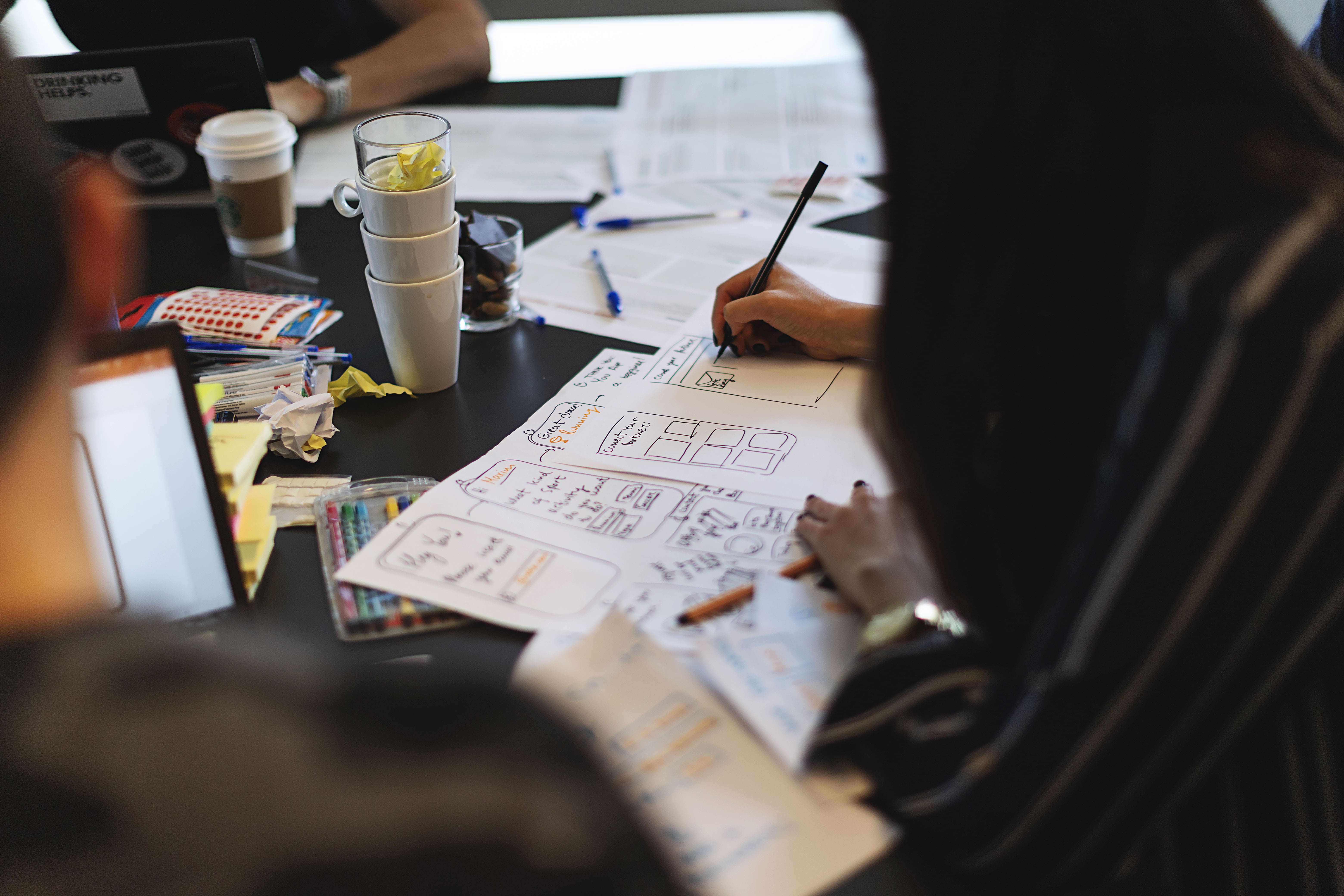
Co-create ideas to solve the challenge, rapidly prototype the most promising ones, and test them—on paper, in conversation, or in-market.

5. Make confident decisions

With real feedback in hand, teams weigh trade-offs, align around a direction, and commit to action that’s grounded in evidence.

At Sprint Valley, our process integrates these five core elements and introduces tools and techniques drawn from behavioural science and innovation strategy.
The core design thinking process

1. Frame the challenge

Clarify what problem we’re trying to solve, who’s affected, and where the value is hiding.

2. Understand what’s really happening

Dig into the lived experience—through interviews, shadowing, or behavioural data—to uncover insights that help us understand how the challenge impacts people differently. This may be customers, internal teams, or partners

3. Reframe the problem

Reframe the challenge to unlock new angles, define core tensions, and focus attention where it matters most.

4. Generate and test options

Co-create ideas to solve the challenge, rapidly prototype the most promising ones, and test them—on paper, in conversation, or in-market.

5. Make confident decisions

With real feedback in hand, teams weigh trade-offs, align around a direction, and commit to action that’s grounded in evidence.

At Sprint Valley, our process integrates these five core elements and introduces tools and techniques drawn from behavioural science and innovation strategy.

The core design thinking process

1. Frame the challenge

Clarify what problem we’re trying to solve, who’s affected, and where the value is hiding.

2. Understand what’s really happening

Dig into the lived experience—through interviews, shadowing, or behavioural data—to uncover insights that help us understand how the challenge impacts people differently. This may be customers, internal teams, or partners

3. Reframe the problem

Reframe the challenge to unlock new angles, define core tensions, and focus attention where it matters most.

4. Generate and test options

Co-create ideas to solve the challenge, rapidly prototype the most promising ones, and test them—on paper, in conversation, or in-market.

5. Make confident decisions

With real feedback in hand, teams weigh trade-offs, align around a direction, and commit to action that’s grounded in evidence.

At Sprint Valley, our process integrates these five core elements and introduces tools and techniques drawn from behavioural science and innovation strategy.


(Spoiler alert: That’s not the kind of design thinking we do at Sprint Valley.)

Great design thinking isn’t a performance. It’s not a one-off workshop.

It’s about approaching challenges in a way that allows teams to ask sharper questions, challenge pre-conceived assumptions, and get to better answers, faster.

Great design thinking is:

  • Strategic: focused on real business decisions, not abstract ideas

  • Structured: guided by clear stages, not open-ended brainstorming

  • Evidence-led: grounded in insight, not instinct

  • Collaborative: designed to surface diverse perspectives and build shared ownership

  • Action-oriented: built to move from insight to impact, fast

If your last experience of design thinking felt like a box-ticking exercise, it probably wasn’t grounded in the right challenge or designed to lead to real decisions.

That’s the difference.

Design thinking becomes theatre when it’s disconnected from strategic intent. Great design thinking doesn’t just explore possibilities. It helps leaders commit and take action on the ones that matter.


(Spoiler alert: That’s not the kind of design thinking we do at Sprint Valley.)

Great design thinking isn’t a performance. It’s not a one-off workshop.

It’s about approaching challenges in a way that allows teams to ask sharper questions, challenge pre-conceived assumptions, and get to better answers, faster.

Great design thinking is:

  • Strategic: focused on real business decisions, not abstract ideas

  • Structured: guided by clear stages, not open-ended brainstorming

  • Evidence-led: grounded in insight, not instinct

  • Collaborative: designed to surface diverse perspectives and build shared ownership

  • Action-oriented: built to move from insight to impact, fast

If your last experience of design thinking felt like a box-ticking exercise, it probably wasn’t grounded in the right challenge or designed to lead to real decisions.

That’s the difference.

Design thinking becomes theatre when it’s disconnected from strategic intent. Great design thinking doesn’t just explore possibilities. It helps leaders commit and take action on the ones that matter.


(Spoiler alert: That’s not the kind of design thinking we do at Sprint Valley.)

Great design thinking isn’t a performance. It’s not a one-off workshop.

It’s about approaching challenges in a way that allows teams to ask sharper questions, challenge pre-conceived assumptions, and get to better answers, faster.

Great design thinking is:

  • Strategic: focused on real business decisions, not abstract ideas

  • Structured: guided by clear stages, not open-ended brainstorming

  • Evidence-led: grounded in insight, not instinct

  • Collaborative: designed to surface diverse perspectives and build shared ownership

  • Action-oriented: built to move from insight to impact, fast

If your last experience of design thinking felt like a box-ticking exercise, it probably wasn’t grounded in the right challenge or designed to lead to real decisions.

That’s the difference.

Design thinking becomes theatre when it’s disconnected from strategic intent. Great design thinking doesn’t just explore possibilities. It helps leaders commit and take action on the ones that matter.


Design thinking as a mindset

The design thinking mindset is how we create the conditions for real progress and help teams think strategically under pressure.

Here are the mindsets you could expect to use in a Design Thinking Workshop with Sprint Valley.

Learning > being right

We use experiments to build evidence about the direction we should take rather than relying on opinion or gut feel.

Tangible > abstract

We make intangible ideas concrete—using written word, sketching and prototypes—so that others can clearly understand them.

Doing > debating

We prioritise action over debate. This allows us to quickly get ideas in front of users to inform what to do next.

Progress > perfection

The odds of finding the perfect solution to a complex problem first time are zero. We get started, learn and then quickly adapt.

Design thinking as a mindset

The design thinking mindset is how we create the conditions for real progress and help teams think strategically under pressure.

Here are the mindsets you could expect to use in a Design Thinking Workshop with Sprint Valley.

Learning > being right

We use experiments to build evidence about the direction we should take rather than relying on opinion or gut feel.

Tangible > abstract

We make intangible ideas concrete—using written word, sketching and prototypes—so that others can clearly understand them.

Doing > debating

We prioritise action over debate. This allows us to quickly get ideas in front of users to inform what to do next.

Progress > perfection

The odds of finding the perfect solution to a complex problem first time are zero. We get started, learn and then quickly adapt.


Design thinking as a mindset

The design thinking mindset is how we create the conditions for real progress and help teams think strategically under pressure.

Here are the mindsets you could expect to use in a Design Thinking Workshop with Sprint Valley.

Learning > being right

We use experiments to build evidence about the direction we should take rather than relying on opinion or gut feel.

Tangible > abstract

We make intangible ideas concrete—using written word, sketching and prototypes—so that others can clearly understand them.

Doing > debating

We prioritise action over debate. This allows us to quickly get ideas in front of users to inform what to do next.

Progress > perfection

The odds of finding the perfect solution to a complex problem first time are zero. We get started, learn and then quickly adapt.


Inside a Sprint Valley design thinking workshop

Inside a Sprint Valley design thinking workshop

Inside a Sprint Valley design thinking workshop

Design thinking works best when the environment is set up for honest thinking, fast progress, and confident decision-making. That doesn’t happen by accident.

For every day-long workshop we run, we’ve likely spent 3–5 days preparing behind the scenes—clarifying goals, gathering insight, interviewing participants, shaping the decision architecture, and designing the session flow. This upfront work creates the space for teams to move quickly and make smart, informed choices in the room.

How we create shared principles for success

Once we’re in the room, we start every workshop by setting shared principles for how we’ll work. They create the conditions for collaboration and momentum.

Together, Alone

Group dynamics tend to sway toward the most senior or outspoken voice in the room, narrowing thinking before it even begins. We ask teams to generate ideas and responses individually before sharing. It protects diversity of thought and surfaces ideas that would otherwise get buried.

Visualise everything

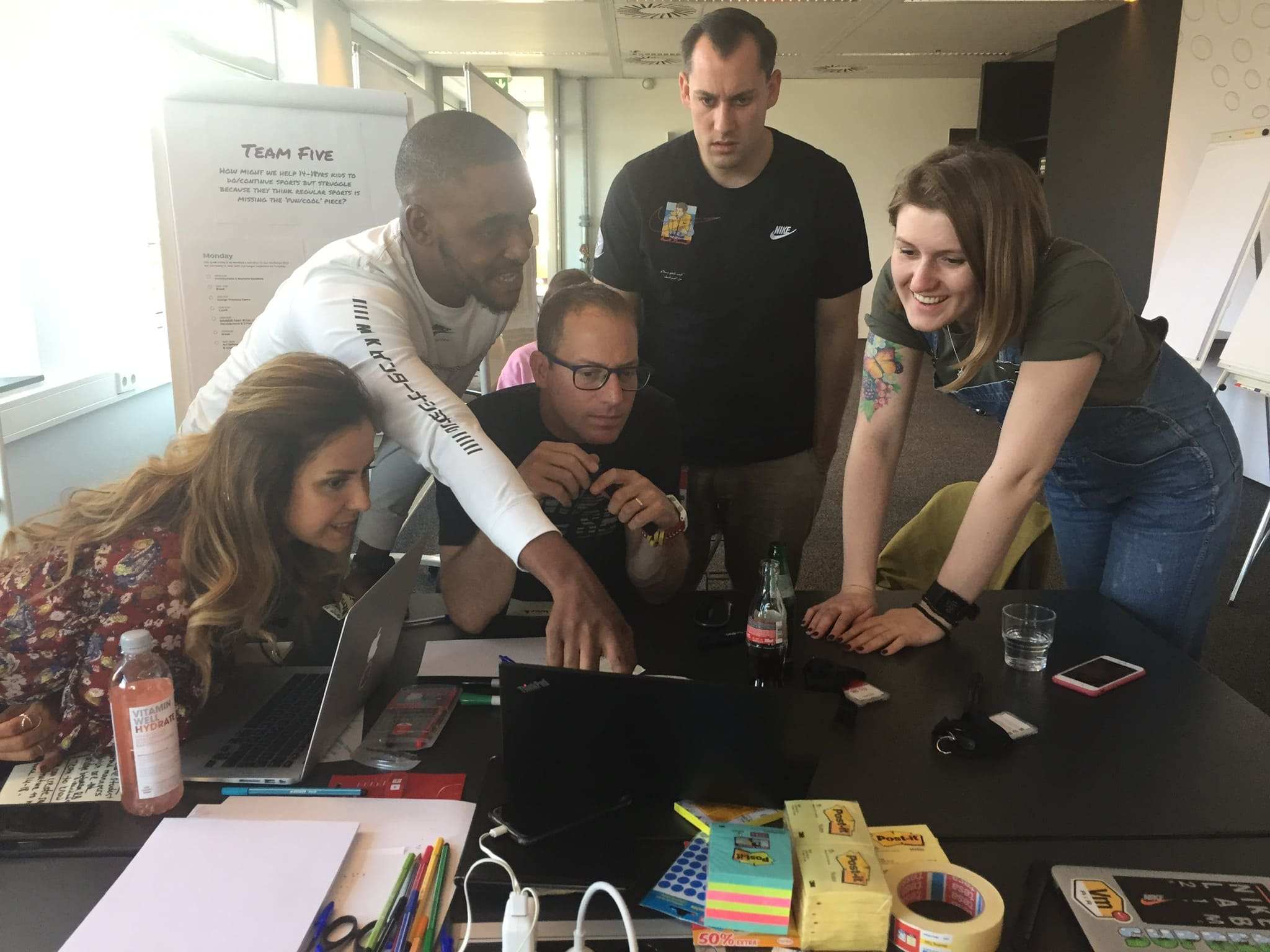
When teams try to manage a high volume of topics and discussions, their ability to retain details is weak. That’s why verbal debate isn’t enough. We capture notes, decisions and ideas in a shared space everyone can see and contribute to—whether that’s on post-its, worksheets or whiteboards.

Decider always

The biggest risk to progress when working fast is debate and deliberation. We nominate a Decider to break ties and move the group forward at key moments. This keeps energy high and helps avoid the spiral of polite debate or perfectionism.

Timeboxing

Big decisions create big conversations. Without limits, those conversations expand to fill the space. We use timeboxes to keep momentum high and thinking focused. It creates urgency, forces clarity, and ensures we spend time on what matters most.
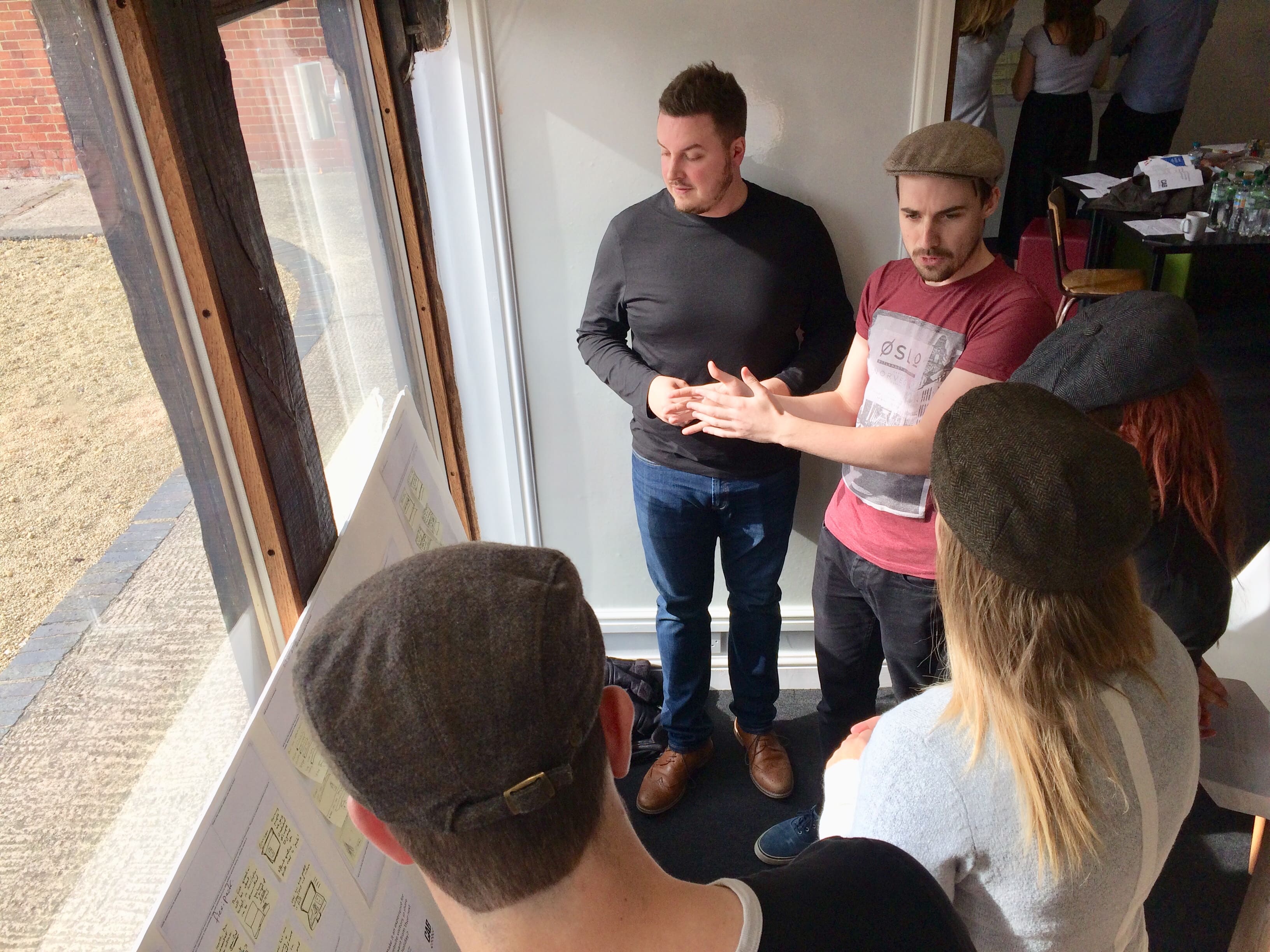
For every day-long workshop we run, we’ve likely spent 3–5 days preparing behind the scenes—clarifying goals, gathering insight, interviewing participants, shaping the decision architecture, and designing the session flow. This upfront work creates the space for teams to move quickly and make smart, informed choices in the room.

How we create shared principles for success

Once we’re in the room, we start every workshop by setting shared principles for how we’ll work. They create the conditions for collaboration and momentum.

Together, Alone

Group dynamics tend to sway toward the most senior or outspoken voice in the room, narrowing thinking before it even begins. We ask teams to generate ideas and responses individually before sharing. It protects diversity of thought and surfaces ideas that would otherwise get buried.

Visualise everything

When teams try to manage a high volume of topics and discussions, their ability to retain details is weak. That’s why verbal debate isn’t enough. We capture notes, decisions and ideas in a shared space everyone can see and contribute to—whether that’s on post-its, worksheets or whiteboards.

Decider always

The biggest risk to progress when working fast is debate and deliberation. We nominate a Decider to break ties and move the group forward at key moments. This keeps energy high and helps avoid the spiral of polite debate or perfectionism.

Timeboxing

Big decisions create big conversations. Without limits, those conversations expand to fill the space. We use timeboxes to keep momentum high and thinking focused. It creates urgency, forces clarity, and ensures we spend time on what matters most.
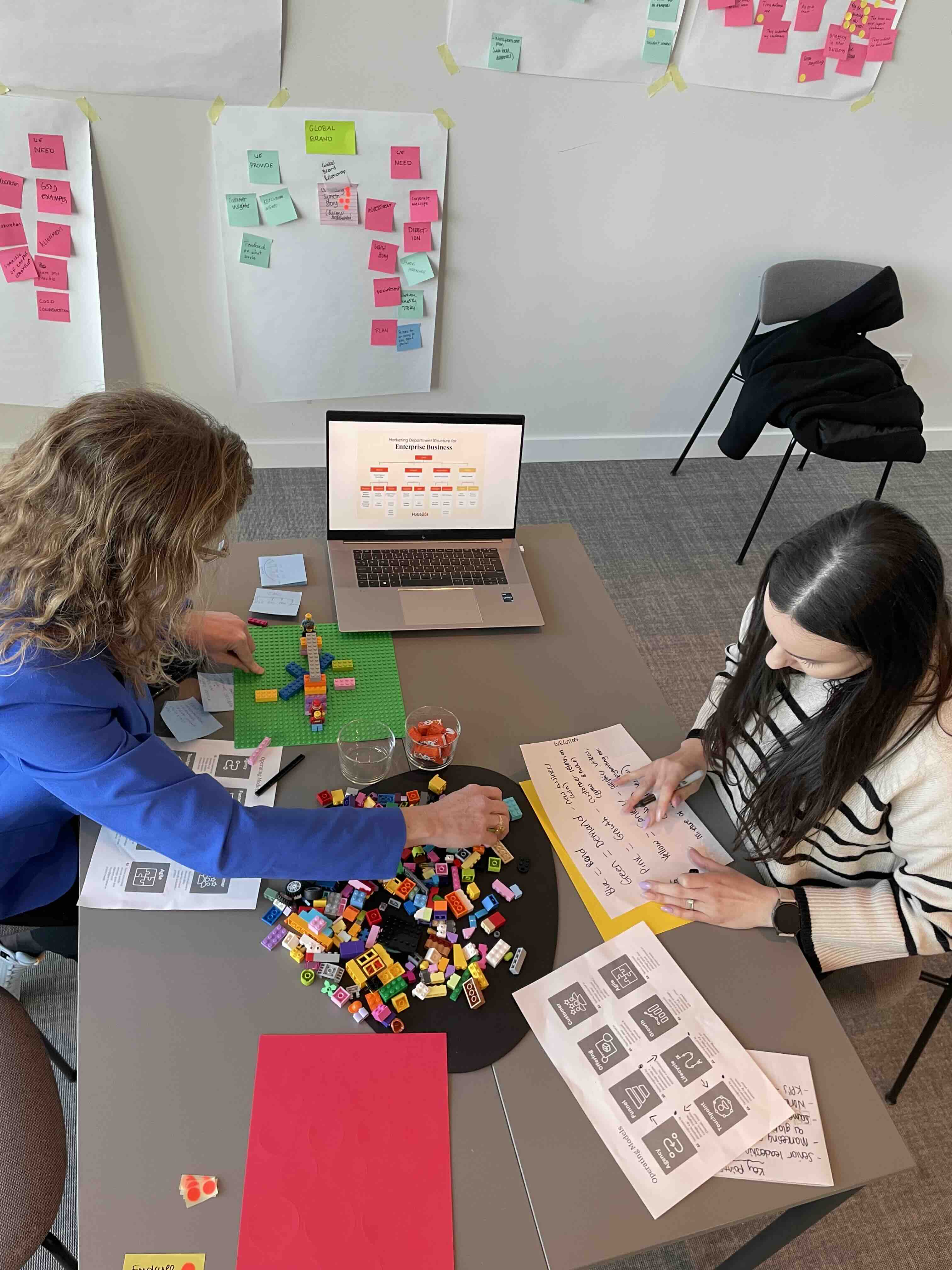
For every day-long workshop we run, we’ve likely spent 3–5 days preparing behind the scenes—clarifying goals, gathering insight, interviewing participants, shaping the decision architecture, and designing the session flow. This upfront work creates the space for teams to move quickly and make smart, informed choices in the room.

How we create shared principles for success

Once we’re in the room, we start every workshop by setting shared principles for how we’ll work. They create the conditions for collaboration and momentum.

Together, Alone

Group dynamics tend to sway toward the most senior or outspoken voice in the room, narrowing thinking before it even begins. We ask teams to generate ideas and responses individually before sharing. It protects diversity of thought and surfaces ideas that would otherwise get buried.

Visualise everything

When teams try to manage a high volume of topics and discussions, their ability to retain details is weak. That’s why verbal debate isn’t enough. We capture notes, decisions and ideas in a shared space everyone can see and contribute to—whether that’s on post-its, worksheets or whiteboards.

Decider always

The biggest risk to progress when working fast is debate and deliberation. We nominate a Decider to break ties and move the group forward at key moments. This keeps energy high and helps avoid the spiral of polite debate or perfectionism.

Timeboxing

Big decisions create big conversations. Without limits, those conversations expand to fill the space. We use timeboxes to keep momentum high and thinking focused. It creates urgency, forces clarity, and ensures we spend time on what matters most.
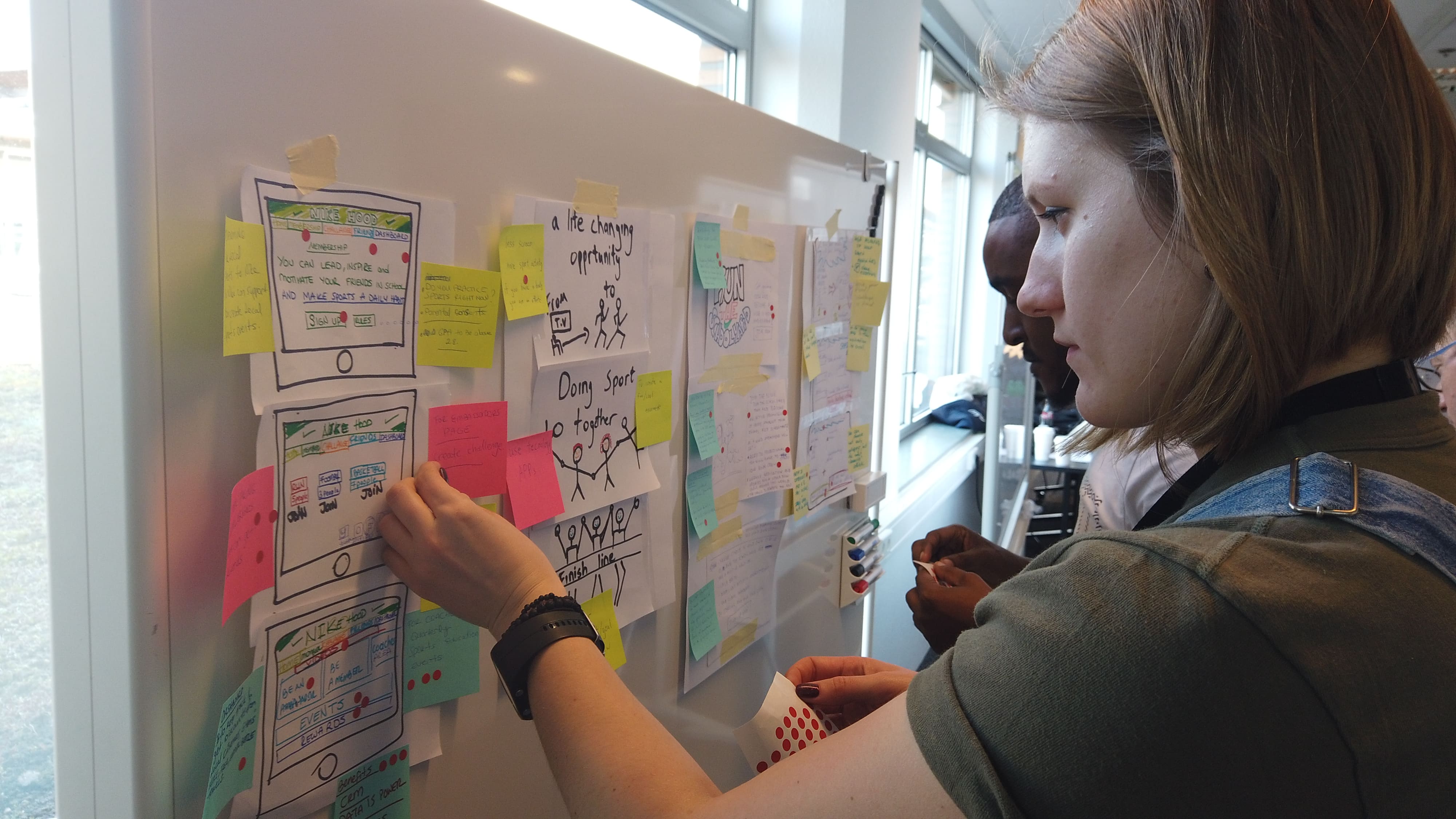
How design thinking powers strategic decisions

In many organisations, strategy and design thinking live in separate rooms. Strategy is seen as serious, while design thinking is seen as creative. One drives the business. The other adds colour around the edges. At Sprint Valley, we see it differently. Design thinking isnt separate from strategy. Its how smart strategy gets made when the path forward isnt obvious.

01

Shared ownership

Gives leaders a stake in shaping direction—so commitment lasts beyond the room.

02

Sharper problem framing

Focuses teams on the real challenge before strategy locks in the wrong answer.

03

Testable solutions

Prototypes bold moves early, reducing risk and surfacing insight before rollout.

04

Clarity through structure

Replaces overthinking with structure, helping teams move forward with confidence.

How design thinking powers strategic decisions

In many organisations, strategy and design thinking live in separate rooms. Strategy is seen as serious, while design thinking is seen as creative. One drives the business. The other adds colour around the edges. At Sprint Valley, we see it differently. Design thinking isnt separate from strategy. Its how smart strategy gets made when the path forward isnt obvious.

01

Shared ownership

Gives leaders a stake in shaping direction—so commitment lasts beyond the room.

02

Sharper problem framing

Focuses teams on the real challenge before strategy locks in the wrong answer.

03

Testable solutions

Prototypes bold moves early, reducing risk and surfacing insight before rollout.

04

Clarity through structure

Replaces overthinking with structure, helping teams move forward with confidence.

How design thinking powers strategic decisions

In many organisations, strategy and design thinking live in separate rooms. Strategy is seen as serious, while design thinking is seen as creative. One drives the business. The other adds colour around the edges. At Sprint Valley, we see it differently. Design thinking isnt separate from strategy. Its how smart strategy gets made when the path forward isnt obvious.

01

Shared ownership

Gives leaders a stake in shaping direction—so commitment lasts beyond the room.

02

Sharper problem framing

Focuses teams on the real challenge before strategy locks in the wrong answer.

03

Testable solutions

Prototypes bold moves early, reducing risk and surfacing insight before rollout.

04

Clarity through structure

Replaces overthinking with structure, helping teams move forward with confidence.

What it feels like in the room

What it feels like in the room

What it feels like in the room

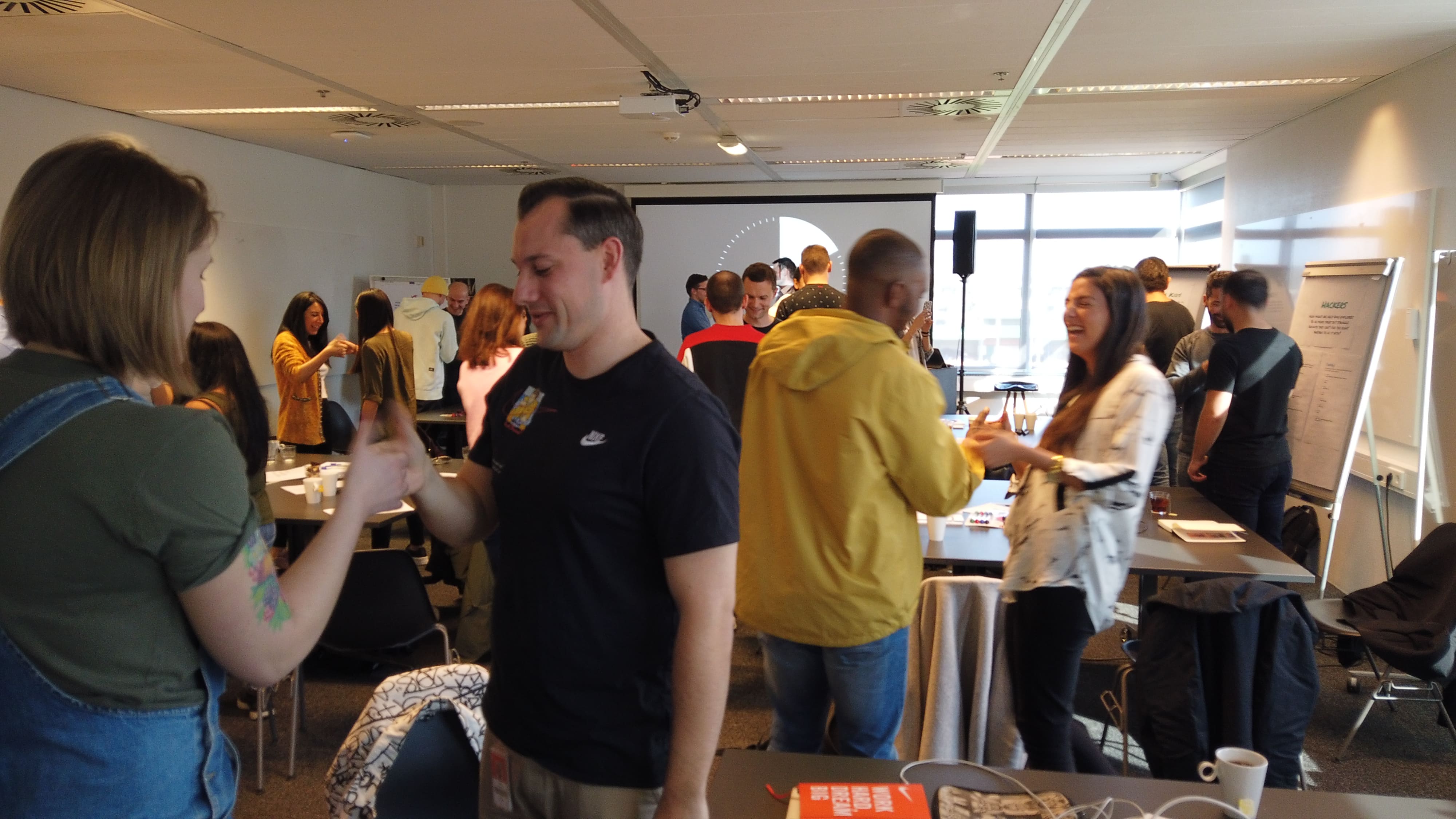
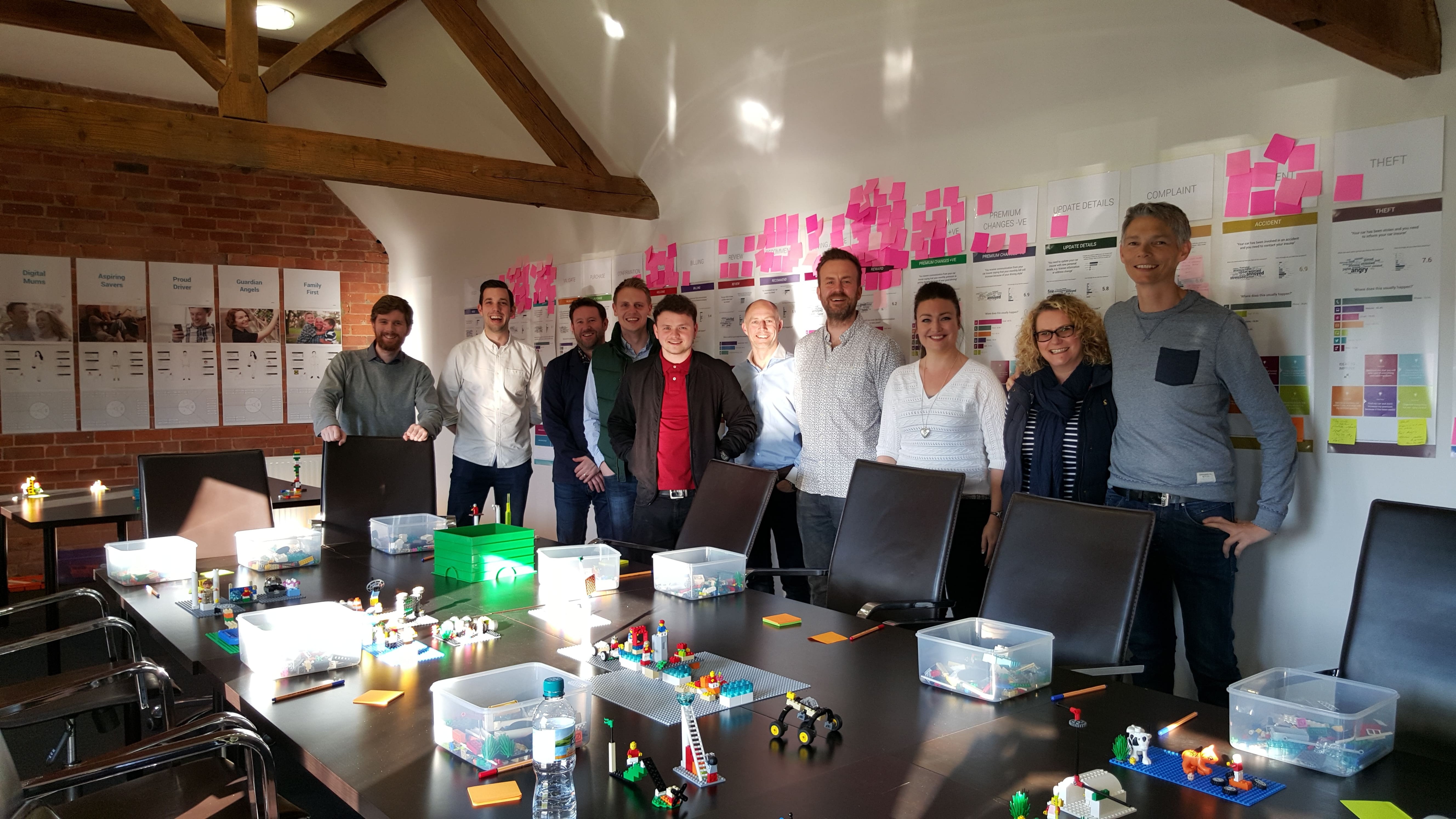
A Sprint Valley workshop isn’t a sit-back and chat session. It’s focused, energised and fast-moving.

You’ll be moving around the room. Working solo, then together. Thinking, writing and sharing back. Making decisions in real time, then moving on to tackle the next big decision.

It often feels intense, in the best way. In fact, we usually hear that it’s the most productive day a team has had all year. 

Suzanne MacLeod, Head of Strategic Change at Miller Insurance, shared:

"Sprint Valley unlocked engagement in a way that I couldn't have done on my own... they created a mechanism or a buzz by which people could come together, collaborate, and feel like they were moving forward."

Learn more about how we unlock decisions with strategic facilitation →
Online vs. in-person design thinking workshops: which format works best?

Online vs. in-person design thinking workshops: which format works best?

Online vs. in-person design thinking workshops: which format works best?

Sprint Valley designs and delivers design thinking workshops in-person, virtually, or as a blended approach. Each has its strengths. What matters most is what the team needs to decide, and how quickly they need to move.

In-person design thinking workshops

Best for depth, energy and uninterrupted focus.

Ideal for board off-sites, corporate retreat facilitation, executive workshops and moments where trust-building and high-stakes decisions happen side-by-side.


Virtual design thinking workshops

Best for speed, accessibility and distributed teams.

Virtual doesn’t mean less impact. It just means different design and delivery. We use Miro as a shared visual workspace so teams can see the session unfold, contribute live, and pick up exactly where they left off.

Every part of the process is visualised and structured. No floating conversations. No passive observers. Just focused collaboration with behavioural facilitation baked in.


Blended formats

Best for when your team needs the focus or trust-building of an in-person design thinking workshop with the flexibility of remote.

We often run virtual pre-sessions to shape thinking, then bring the team together for high-quality in-person decision-making. It cuts down travel time without sacrificing depth or momentum.

In-person design thinking workshops

Best for depth, energy and uninterrupted focus.

Ideal for board off-sites, corporate retreat facilitation, executive workshops and moments where trust-building and high-stakes decisions happen side-by-side.


Virtual design thinking workshops

Best for speed, accessibility and distributed teams.

Virtual doesn’t mean less impact. It just means different design and delivery. We use Miro as a shared visual workspace so teams can see the session unfold, contribute live, and pick up exactly where they left off.

Every part of the process is visualised and structured. No floating conversations. No passive observers. Just focused collaboration with behavioural facilitation baked in.


Blended formats

Best for when your team needs the focus or trust-building of an in-person design thinking workshop with the flexibility of remote.

We often run virtual pre-sessions to shape thinking, then bring the team together for high-quality in-person decision-making. It cuts down travel time without sacrificing depth or momentum.

In-person design thinking workshops

Best for depth, energy and uninterrupted focus.

Ideal for board off-sites, corporate retreat facilitation, executive workshops and moments where trust-building and high-stakes decisions happen side-by-side.


Virtual design thinking workshops

Best for speed, accessibility and distributed teams.

Virtual doesn’t mean less impact. It just means different design and delivery. We use Miro as a shared visual workspace so teams can see the session unfold, contribute live, and pick up exactly where they left off.

Every part of the process is visualised and structured. No floating conversations. No passive observers. Just focused collaboration with behavioural facilitation baked in.


Blended formats

Best for when your team needs the focus or trust-building of an in-person design thinking workshop with the flexibility of remote.

We often run virtual pre-sessions to shape thinking, then bring the team together for high-quality in-person decision-making. It cuts down travel time without sacrificing depth or momentum.

Get us to facilitate your most important meetings

Feeling overwhelmed, not sure how to get the most out of your team. Let us help!

Get us to facilitate your most important meetings

Feeling overwhelmed, not sure how to get the most out of your team. Let us help!

Get us to facilitate your most important meetings

Feeling overwhelmed, not sure how to get the most out of your team. Let us help!

Design thinking + strategy = results.

Design thinking + strategy = results.

Design thinking + strategy = results.

When design thinking is applied to real business challenges, the impact is fast, tangible, and measurable.

At Sprint Valley, we’ve used it to help leadership teams reframe strategy, align faster, and launch bolder decisions with results that speak for themselves.