Pillars
Strategic Facilitation Guide
Strategic Facilitation helps boards and leadership teams align on bold decisions, manage big personalities, and accelerate growth

Luke Battye (UK)
Pillars
Strategic Facilitation Guide
Strategic Facilitation helps boards and leadership teams align on bold decisions, manage big personalities, and accelerate growth
Luke Battye (UK)
Pillars
Strategic Facilitation Guide
Strategic Facilitation helps boards and leadership teams align on bold decisions, manage big personalities, and accelerate growth
Luke Battye (UK)
Why strategic facilitation matters?
Why strategic facilitation matters?
Boards and leadership teams are under pressure to deliver bold results fast. Yet, when the stakes are highest, strategy discussions often stall. Strong voices pull in different directions. Priorities compete. Hours are lost debating details, while the real decisions—the ones that will unlock growth—remain unresolved.
The result? A team that leaves the room drained, divided, and no closer to action.
Strategic Facilitation changes that dynamic. With the right structure and an experienced strategy facilitator, boards and executive teams can cut through the noise, focus on what really matters, and align on a small set of coordinated bets that drive impact.
In this guide, you’ll discover:
When to use a strategy workshop
Why hiring a strategic planning facilitator accelerates outcomes
How facilitation helps leaders move from debate to decisive action
What is strategic facilitation?
What is strategic facilitation?
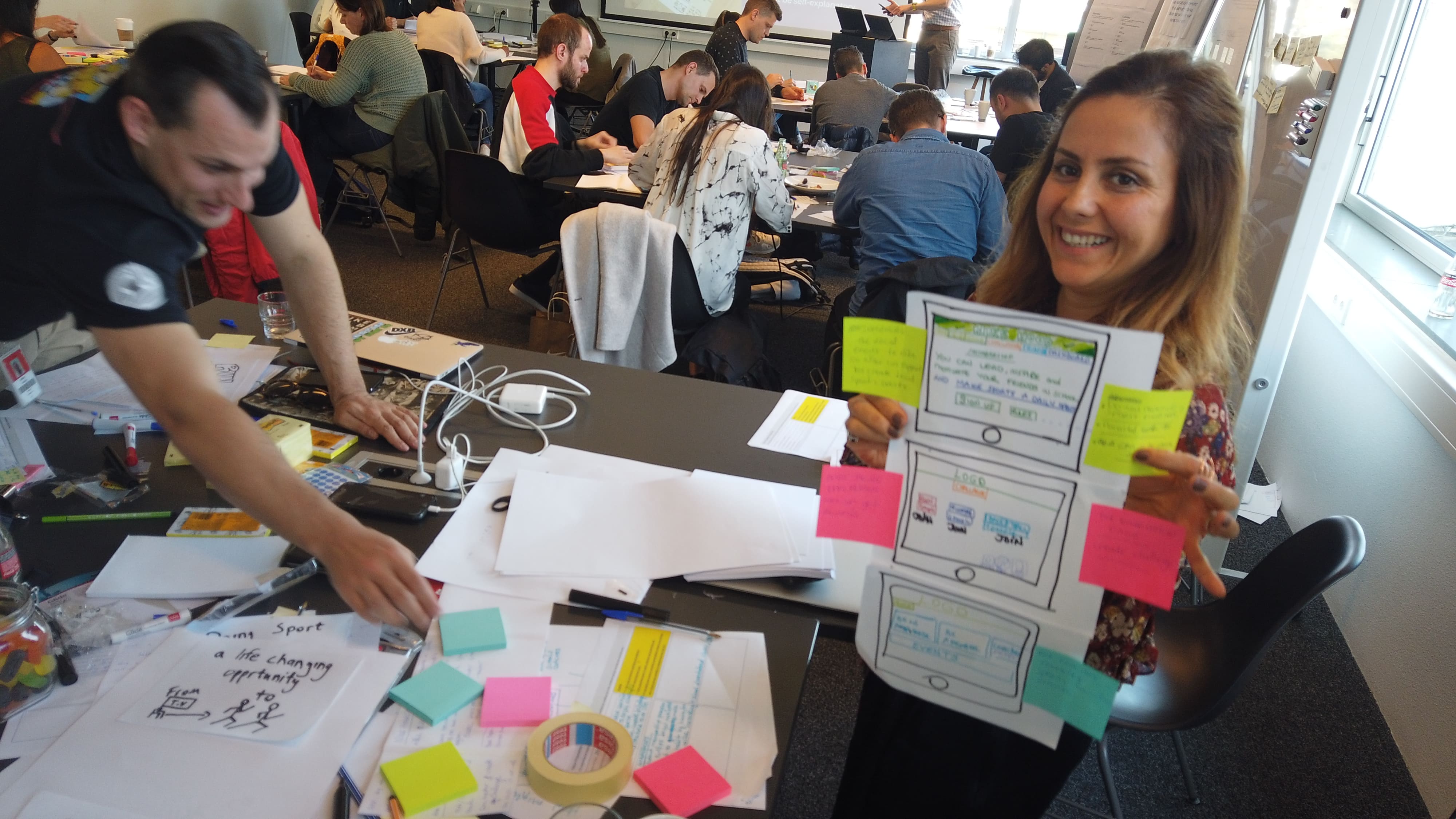
Strategic facilitation helps boards and leadership teams move through their most complex and high-stakes conversations to reach clarity and commitment.
This often happens through a series of facilitated workshops where an experienced strategic facilitator creates the conditions for leaders to cut through noise, surface real trade-offs, and align on a bold course of action. The facilitator keeps the group moving, manages tensions before they derail progress, and ensures decisions stick long after the meeting ends.
A strategy workshop delivers outcomes such as:
Shared vision
A clear, united view of where the organisation is heading.
Sharper choices
Agreement on the few strategic bets that will create the biggest impact.
Constructive tension
A space for disagreement that strengthens decisions instead of derailing them.
Board-ready narrative
Development of a story that the board, investors, and employees can rally behind.
Sustained commitment
Leaders leave the room aligned and ready to act.
It’s common to confuse facilitation with simply “keeping the meeting on track.” In reality, a strategy workshop goes far beyond a traditional meeting.
Traditional Meetings
Strategic Facilitation
Time is spent reporting and debating
Structured dialogue ensures every perspective is heard
Time is spent reporting and debating
Loudest voices dominate
Action points often vague or open-ended
Outcomes are concrete commitments tied to bold bets
A strategy facilitator makes this shift possible by bringing neutrality and commercial insight to help leadership teams unlock decisions they couldn’t reach on their own.
When to use a strategic workshop?
A strategic workshop is most valuable when the stakes are high and alignment is urgent. Common signals include:
Stalled growth
Problem
Performance has plateaued, and the leadership team can’t agree on the root cause.
Why a Workshop
A strategic workshop creates the space to diagnose the real issue and refocus the team on growth levers that matter most.
Divergent priorities
Problem
Strong personalities pull in different directions, and discussions turn political or personal.
Why a Workshop
A strategy facilitator ensures every perspective is heard while keeping the group anchored to the bigger picture, helping leaders find common ground without diluting ambition.
High-stakes choices
Problem
Choosing between competing investments, markets, or business models can divide a team.
Why a Workshop
A facilitated workshop structures the debate so leaders weigh trade-offs openly, explore scenarios, and reach decisions they can stand behind together.
Balancing decisions
Problem
The leadership team is facing pressure to deliver immediate results while building long-term value.
Why a Workshop
A strategic workshop helps teams design a portfolio of actions that balances short-term wins with sustainable growth.
When to use a strategic workshop?
A strategic workshop is most valuable when the stakes are high and alignment is urgent. Common signals include:
Stalled growth
Problem
Performance has plateaued, and the leadership team can’t agree on the root cause.
Why a Workshop
A strategic workshop creates the space to diagnose the real issue and refocus the team on growth levers that matter most.
Divergent priorities
Problem
Strong personalities pull in different directions, and discussions turn political or personal.
Why a Workshop
A strategy facilitator ensures every perspective is heard while keeping the group anchored to the bigger picture, helping leaders find common ground without diluting ambition.
High-stakes choices
Problem
Choosing between competing investments, markets, or business models can divide a team.
Why a Workshop
A facilitated workshop structures the debate so leaders weigh trade-offs openly, explore scenarios, and reach decisions they can stand behind together.
Balancing decisions
Problem
The leadership team is facing pressure to deliver immediate results while building long-term value.
Why a Workshop
A strategic workshop helps teams design a portfolio of actions that balances short-term wins with sustainable growth.
When to use a strategic workshop?
A strategic workshop is most valuable when the stakes are high and alignment is urgent. Common signals include:
Stalled growth
Problem
Performance has plateaued, and the leadership team can’t agree on the root cause.
Why a Workshop
A strategic workshop creates the space to diagnose the real issue and refocus the team on growth levers that matter most.
Divergent priorities
Problem
Strong personalities pull in different directions, and discussions turn political or personal.
Why a Workshop
A strategy facilitator ensures every perspective is heard while keeping the group anchored to the bigger picture, helping leaders find common ground without diluting ambition.
High-stakes choices
Problem
Choosing between competing investments, markets, or business models can divide a team.
Why a Workshop
A facilitated workshop structures the debate so leaders weigh trade-offs openly, explore scenarios, and reach decisions they can stand behind together.
Balancing decisions
Problem
The leadership team is facing pressure to deliver immediate results while building long-term value.
Why a Workshop
A strategic workshop helps teams design a portfolio of actions that balances short-term wins with sustainable growth.

Strategy workshops with Sprint Valley
Strategy workshops with Sprint Valley
At Sprint Valley we design strategic facilitation to use the best of both worlds: in-person sessions for trust, focus and decisive moments; and virtual working to accelerate progress, bring together distributed teams, and keep momentum.
We run virtual strategy workshops on Miro—a virtual whiteboard—using boards as a shared workspace to capture inputs, cluster themes, and synthesise decisions in real time. Nothing gets lost between sessions, and the team can pick up exactly where they left off.
See how this works with our Strategic Planning Kit in Miro →
Tony McKenna, Director of IT & Change at Howard Kennedy LLP, shared his experience with a virtual strategy session:
“You’ve distilled down 20 minutes of collaborative conversation and [were] playing it back almost real time.
It made you feel completely engaged, which was fantastic.”
We run virtual strategy workshops on Miro—a virtual whiteboard—using boards as a shared workspace to capture inputs, cluster themes, and synthesise decisions in real time. Nothing gets lost between sessions, and the team can pick up exactly where they left off.
See how this works with our Strategic Planning Kit in Miro →
Tony McKenna, Director of IT & Change at Howard Kennedy LLP, shared his experience with a virtual strategy session:
“You’ve distilled down 20 minutes of collaborative conversation and [were] playing it back almost real time.
It made you feel completely engaged, which was fantastic.”
We run virtual strategy workshops on Miro—a virtual whiteboard—using boards as a shared workspace to capture inputs, cluster themes, and synthesise decisions in real time. Nothing gets lost between sessions, and the team can pick up exactly where they left off.
See how this works with our Strategic Planning Kit in Miro →
Tony McKenna, Director of IT & Change at Howard Kennedy LLP, shared his experience with a virtual strategy session:
“You’ve distilled down 20 minutes of collaborative conversation and [were] playing it back almost real time.
It made you feel completely engaged, which was fantastic.”
In-person, virtual, or blended
Strategic workshops can be designed to fit different contexts—whether the team is in the same room, spread across geographies, or a mix of both. Each format has distinct advantages, and the right choice depends on your goals, constraints, and culture.
01
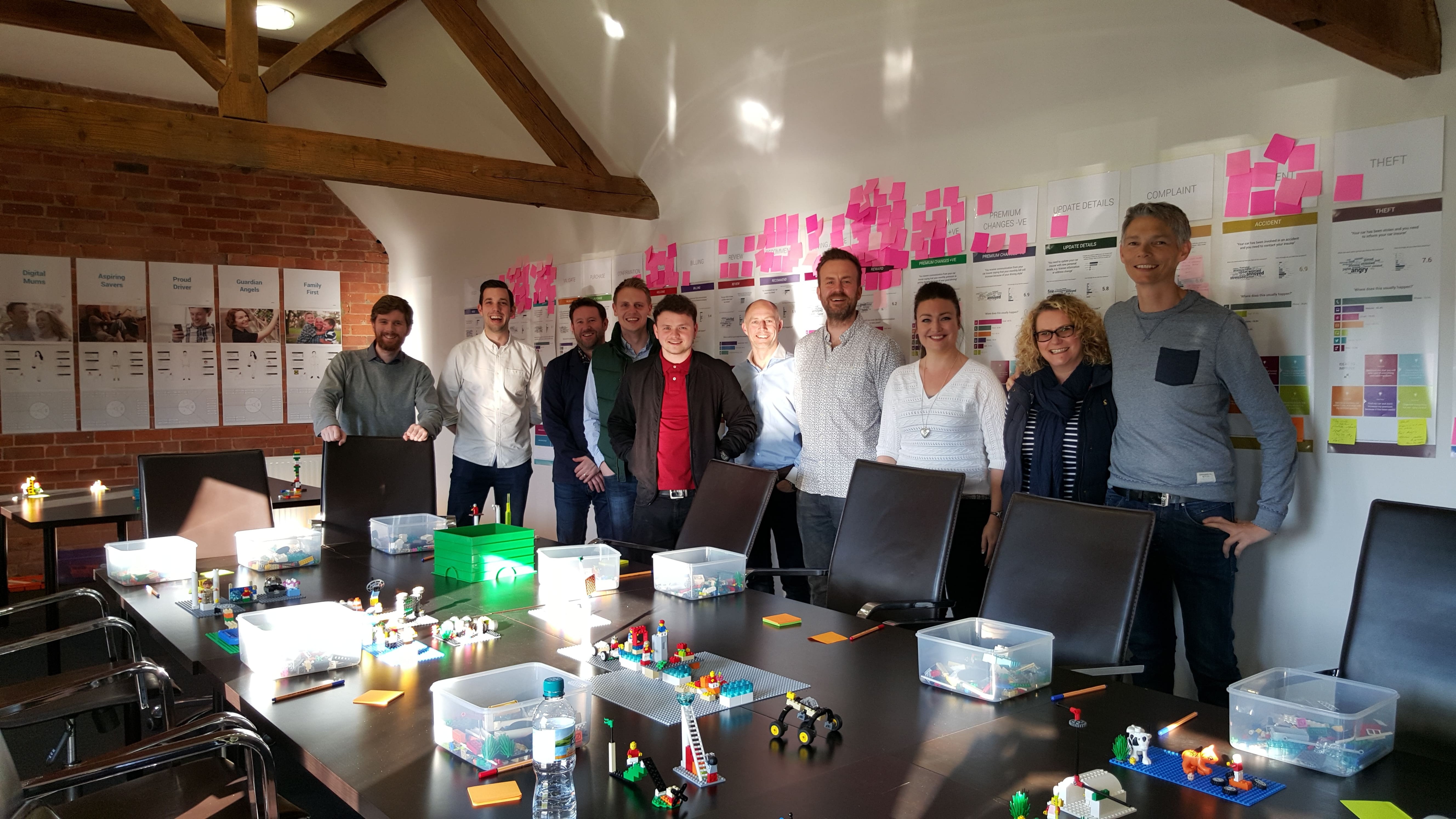
In-person strategy workshops
Best when alignment requires depth, energy, and uninterrupted focus. Being physically together helps teams cut through distractions, build trust quickly, and tackle sensitive or high-stakes topics with full attention. Multi-day off-sites or board retreats are often the right setting for this format.
02
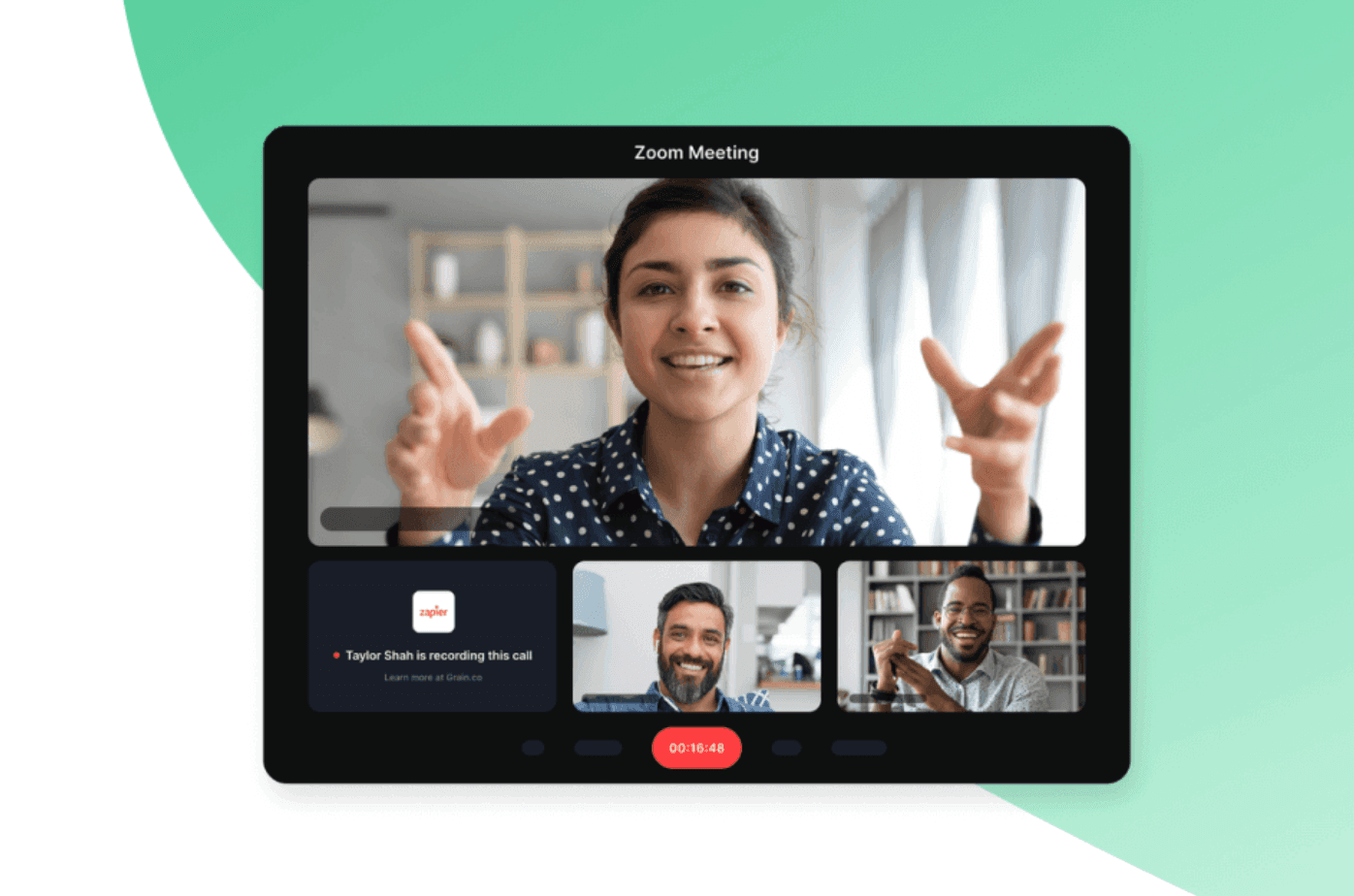
Virtual strategy workshops
Ideal for distributed leadership teams or when quick alignment is needed without travel. Virtual sessions work well for shorter, focused discussions, or for sequencing strategy conversations across multiple time zones. With the right design and facilitation tools, virtual workshops can be just as engaging and productive as in-person ones.

03
Blended workshops
Ideal for distributed leadership teams or when quick alignment is needed without travel. Virtual sessions work well for shorter, focused discussions, or for sequencing strategy conversations across multiple time zones. With the right design and facilitation tools, virtual workshops can be just as engaging and productive as in-person ones.
In-person, virtual, or blended
Strategic workshops can be designed to fit different contexts—whether the team is in the same room, spread across geographies, or a mix of both. Each format has distinct advantages, and the right choice depends on your goals, constraints, and culture.
01
In-person strategy workshops
Best when alignment requires depth, energy, and uninterrupted focus. Being physically together helps teams cut through distractions, build trust quickly, and tackle sensitive or high-stakes topics with full attention. Multi-day off-sites or board retreats are often the right setting for this format.
02
Virtual strategy workshops
Ideal for distributed leadership teams or when quick alignment is needed without travel. Virtual sessions work well for shorter, focused discussions, or for sequencing strategy conversations across multiple time zones. With the right design and facilitation tools, virtual workshops can be just as engaging and productive as in-person ones.
03
Blended workshops
Ideal for distributed leadership teams or when quick alignment is needed without travel. Virtual sessions work well for shorter, focused discussions, or for sequencing strategy conversations across multiple time zones. With the right design and facilitation tools, virtual workshops can be just as engaging and productive as in-person ones.
In-person, virtual, or blended
Strategic workshops can be designed to fit different contexts—whether the team is in the same room, spread across geographies, or a mix of both. Each format has distinct advantages, and the right choice depends on your goals, constraints, and culture.
01
In-person strategy workshops
Best when alignment requires depth, energy, and uninterrupted focus. Being physically together helps teams cut through distractions, build trust quickly, and tackle sensitive or high-stakes topics with full attention. Multi-day off-sites or board retreats are often the right setting for this format.
02
Virtual strategy workshops
Ideal for distributed leadership teams or when quick alignment is needed without travel. Virtual sessions work well for shorter, focused discussions, or for sequencing strategy conversations across multiple time zones. With the right design and facilitation tools, virtual workshops can be just as engaging and productive as in-person ones.
03
Blended workshops
Ideal for distributed leadership teams or when quick alignment is needed without travel. Virtual sessions work well for shorter, focused discussions, or for sequencing strategy conversations across multiple time zones. With the right design and facilitation tools, virtual workshops can be just as engaging and productive as in-person ones.
Why hire a facilitator vs. running it in-house: What’s the difference?
Why hire a facilitator vs. running it in-house: What’s the difference?
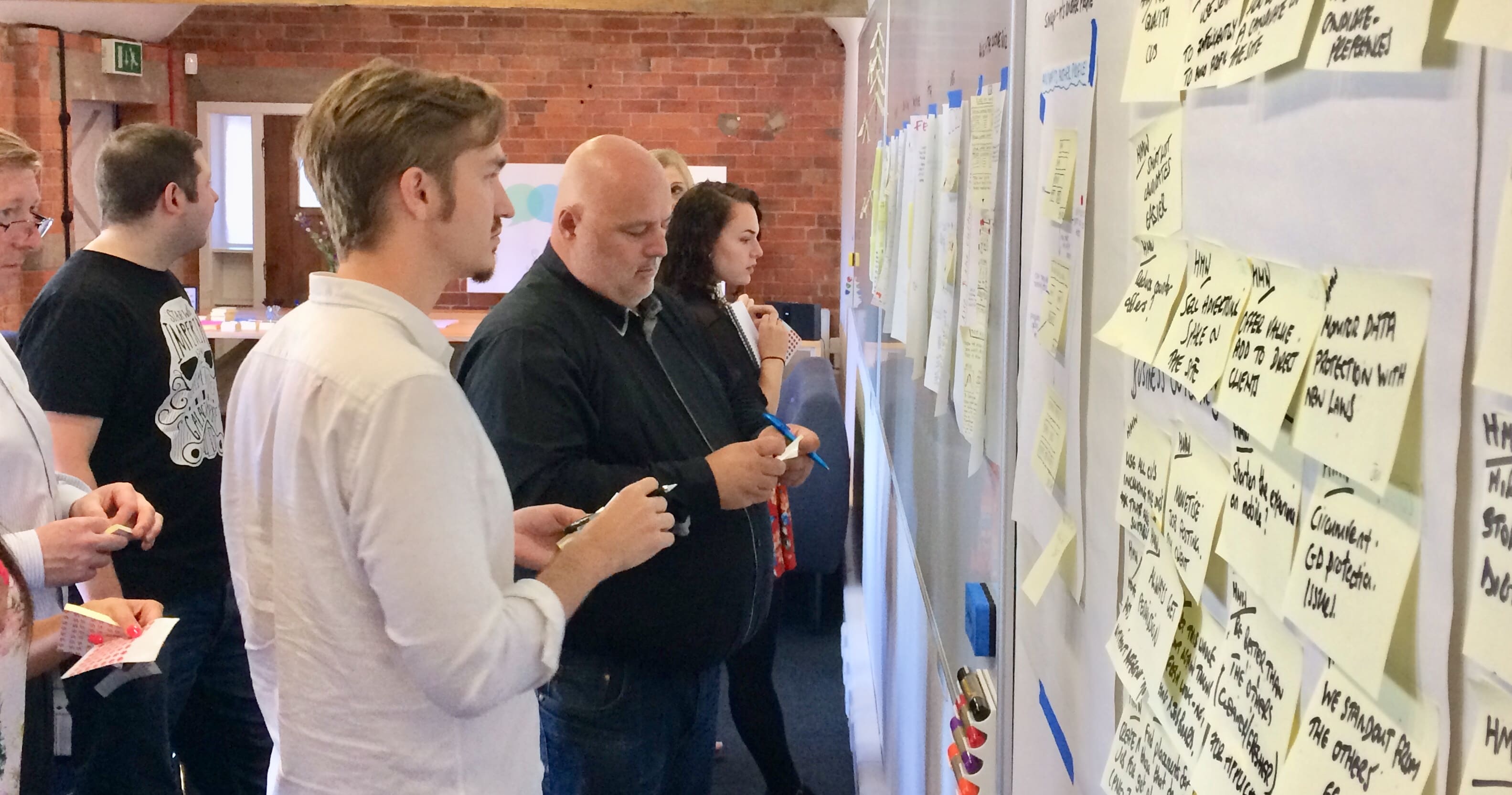
Leadership teams often ask “Why hire a facilitator when we could just run the session ourselves?”
The difference comes down to impartiality and impact. An internal leader may know the issues deeply, but once they step in to facilitate, they lose neutrality. They can’t both guide the process and fully participate in the debate. That tension makes it harder to surface dissent, test assumptions, or challenge powerful voices.
A strategic planning facilitator changes that dynamic. Rather than arriving with “the answer,” they create the structure that helps teams use their own knowledge more effectively. The best facilitators draw out hidden perspectives, balance dominant voices, and channel collective intelligence into decisions the whole group can own.
As Joy Heath Rush, CEO at ILTA, put it:
“A consultant tells you what to do. A facilitator helps get out of your brain what you already know and bring it all together.”
Hiring a facilitator isn’t about outsourcing strategy. It’s about creating the conditions where your leadership team can do its best thinking together, objectively, decisively, and without the unnecessary noise.
The difference comes down to impartiality and impact. An internal leader may know the issues deeply, but once they step in to facilitate, they lose neutrality. They can’t both guide the process and fully participate in the debate. That tension makes it harder to surface dissent, test assumptions, or challenge powerful voices.
A strategic planning facilitator changes that dynamic. Rather than arriving with “the answer,” they create the structure that helps teams use their own knowledge more effectively. The best facilitators draw out hidden perspectives, balance dominant voices, and channel collective intelligence into decisions the whole group can own.
As Joy Heath Rush, CEO at ILTA, put it:
“A consultant tells you what to do. A facilitator helps get out of your brain what you already know and bring it all together.”
Hiring a facilitator isn’t about outsourcing strategy. It’s about creating the conditions where your leadership team can do its best thinking together, objectively, decisively, and without the unnecessary noise.
The difference comes down to impartiality and impact. An internal leader may know the issues deeply, but once they step in to facilitate, they lose neutrality. They can’t both guide the process and fully participate in the debate. That tension makes it harder to surface dissent, test assumptions, or challenge powerful voices.
A strategic planning facilitator changes that dynamic. Rather than arriving with “the answer,” they create the structure that helps teams use their own knowledge more effectively. The best facilitators draw out hidden perspectives, balance dominant voices, and channel collective intelligence into decisions the whole group can own.
As Joy Heath Rush, CEO at ILTA, put it:
“A consultant tells you what to do. A facilitator helps get out of your brain what you already know and bring it all together.”
Hiring a facilitator isn’t about outsourcing strategy. It’s about creating the conditions where your leadership team can do its best thinking together, objectively, decisively, and without the unnecessary noise.
Inside a strategic planning workshop
No two organisations face the same challenges, which means there’s no such thing as a one-size-fits-all workshop.
Every engagement is bespoke by design, shaped around the decisions that matter most to your leadership team.
That said, the most effective strategy workshops do share a common rhythm. At Sprint Valley, we structure them around three phases: Customise, Facilitate, and Enable.
Customise
We prepare leaders for high-quality collaboration by working together with our clients to tailor the workshop design to their specific context. On most projects, we:
Interview participants to understand different perspectives, uncover priorities, and identify potential points of tension.
Shape the session design using behavioural science insights to guide group dynamics and ensure discussions stay focused on the most critical decisions.
Test early assumptions through a short review with sponsors to clarify priorities and highlight likely trade-offs before the group convenes.
Provide a tailored pre-briefing that primes leaders to engage at a deeper, more strategic level.
Facilitate
When we are in the room—whether virtual or in person—we focus on enabling the conversations that matter most. This means surfacing the right data, encouraging diverse perspectives, and structuring dialogue so leaders can move past debate and make confident, collective decisions. Here’s how we do it:
Ground the team in reality by reviewing market data, customer insights, and performance evidence to align everyone on a shared starting point.
Generate and explore options with structured tools such as scenario planning or design thinking, ensuring creativity is channelled toward real strategic choices.
Manage tension and trade-offs by applying behavioural science techniques that surface disagreement productively and prevent dominant voices from derailing progress.
Drive alignment by guiding the group toward a focused set of bold, coordinated bets that strike a balance between ambition and pragmatism.
Enable
When the workshop(s) ends, the work isn’t over. We keep working with you to make sure decisions endure. This means helping the team articulate a clear narrative, equipping them with tools to communicate consistently, and supporting them as they turn commitments into visible action. Here, we’ll:
Translate strategic choices into a compelling narrative that boards, investors, and employees can rally behind.
Deliver a concise, board-ready summary that reinforces alignment and makes the strategy easy to share across the organisation.
Equip leaders with communication tools to cascade the message consistently across teams and functions.
Define immediate next steps by setting the first 30 days of action, ensuring energy from the workshop carries directly into delivery.
Inside a strategic planning workshop
No two organisations face the same challenges, which means there’s no such thing as a one-size-fits-all workshop.
Every engagement is bespoke by design, shaped around the decisions that matter most to your leadership team.
That said, the most effective strategy workshops do share a common rhythm. At Sprint Valley, we structure them around three phases: Customise, Facilitate, and Enable.
Customise
We prepare leaders for high-quality collaboration by working together with our clients to tailor the workshop design to their specific context. On most projects, we:
Interview participants to understand different perspectives, uncover priorities, and identify potential points of tension.
Shape the session design using behavioural science insights to guide group dynamics and ensure discussions stay focused on the most critical decisions.
Test early assumptions through a short review with sponsors to clarify priorities and highlight likely trade-offs before the group convenes.
Provide a tailored pre-briefing that primes leaders to engage at a deeper, more strategic level.
Facilitate
When we are in the room—whether virtual or in person—we focus on enabling the conversations that matter most. This means surfacing the right data, encouraging diverse perspectives, and structuring dialogue so leaders can move past debate and make confident, collective decisions. Here’s how we do it:
Ground the team in reality by reviewing market data, customer insights, and performance evidence to align everyone on a shared starting point.
Generate and explore options with structured tools such as scenario planning or design thinking, ensuring creativity is channelled toward real strategic choices.
Manage tension and trade-offs by applying behavioural science techniques that surface disagreement productively and prevent dominant voices from derailing progress.
Drive alignment by guiding the group toward a focused set of bold, coordinated bets that strike a balance between ambition and pragmatism.
Enable
When the workshop(s) ends, the work isn’t over. We keep working with you to make sure decisions endure. This means helping the team articulate a clear narrative, equipping them with tools to communicate consistently, and supporting them as they turn commitments into visible action. Here, we’ll:
Translate strategic choices into a compelling narrative that boards, investors, and employees can rally behind.
Deliver a concise, board-ready summary that reinforces alignment and makes the strategy easy to share across the organisation.
Equip leaders with communication tools to cascade the message consistently across teams and functions.
Define immediate next steps by setting the first 30 days of action, ensuring energy from the workshop carries directly into delivery.
Inside a strategic planning workshop
No two organisations face the same challenges, which means there’s no such thing as a one-size-fits-all workshop.
Every engagement is bespoke by design, shaped around the decisions that matter most to your leadership team.
That said, the most effective strategy workshops do share a common rhythm. At Sprint Valley, we structure them around three phases: Customise, Facilitate, and Enable.
Customise
We prepare leaders for high-quality collaboration by working together with our clients to tailor the workshop design to their specific context. On most projects, we:
Interview participants to understand different perspectives, uncover priorities, and identify potential points of tension.
Shape the session design using behavioural science insights to guide group dynamics and ensure discussions stay focused on the most critical decisions.
Test early assumptions through a short review with sponsors to clarify priorities and highlight likely trade-offs before the group convenes.
Provide a tailored pre-briefing that primes leaders to engage at a deeper, more strategic level.
Facilitate
When we are in the room—whether virtual or in person—we focus on enabling the conversations that matter most. This means surfacing the right data, encouraging diverse perspectives, and structuring dialogue so leaders can move past debate and make confident, collective decisions. Here’s how we do it:
Ground the team in reality by reviewing market data, customer insights, and performance evidence to align everyone on a shared starting point.
Generate and explore options with structured tools such as scenario planning or design thinking, ensuring creativity is channelled toward real strategic choices.
Manage tension and trade-offs by applying behavioural science techniques that surface disagreement productively and prevent dominant voices from derailing progress.
Drive alignment by guiding the group toward a focused set of bold, coordinated bets that strike a balance between ambition and pragmatism.
Enable
When the workshop(s) ends, the work isn’t over. We keep working with you to make sure decisions endure. This means helping the team articulate a clear narrative, equipping them with tools to communicate consistently, and supporting them as they turn commitments into visible action. Here, we’ll:
Translate strategic choices into a compelling narrative that boards, investors, and employees can rally behind.
Deliver a concise, board-ready summary that reinforces alignment and makes the strategy easy to share across the organisation.
Equip leaders with communication tools to cascade the message consistently across teams and functions.
Define immediate next steps by setting the first 30 days of action, ensuring energy from the workshop carries directly into delivery.
Behavioural Science: The Edge in Strategic Facilitation
Behavioural Science: The Edge in Strategic Facilitation
Biases, blind spots, and group dynamics shape outcomes more than most leaders realise. At Sprint Valley, we integrate behavioural science into every workshop design to help teams make better strategic decisions.
We use behavioural science techniques to address the most common decision traps and help teams reach clarity faster
Decision trap
Status quo bias
01
What to do instead
Make the ‘default future’ explicit, quantify the cost of inaction, and use frameworks to stretch thinking beyond business-as-usual.
Decision trap
Status quo bias
01
What to do instead
Make the ‘default future’ explicit, quantify the cost of inaction, and use frameworks to stretch thinking beyond business-as-usual.
Decision trap
Conflict avoidance
02
What to do instead
Frame provocative topics as design challenges to open space for courageous conversations.
Decision trap
Conflict avoidance
02
What to do instead
Frame provocative topics as design challenges to open space for courageous conversations.
Decision trap
Choice overload
03
What to do instead
Apply continual prioritisation to work through trade-offs at every step of the process.
Decision trap
Choice overload
03
What to do instead
Apply continual prioritisation to work through trade-offs at every step of the process.
Decision trap
Risk aversion
04
What to do instead
Use scenarios to evaluate big bets, explore mitigations, and identify low-risk first steps.
Decision trap
Risk aversion
04
What to do instead
Use scenarios to evaluate big bets, explore mitigations, and identify low-risk first steps.
Decision trap
Additive bias
05
What to do instead
Make tough calls on what to stop doing to create bandwidth for high-impact initiatives.
Decision trap
Additive bias
05
What to do instead
Make tough calls on what to stop doing to create bandwidth for high-impact initiatives.
Get us to facilitate your most important meetings
Feeling overwhelmed, not sure how to get the most out of your team. Let us help!

Get us to facilitate your most important meetings
Feeling overwhelmed, not sure how to get the most out of your team. Let us help!
Get us to facilitate your most important meetings
Feeling overwhelmed, not sure how to get the most out of your team. Let us help!
The ROI of strategic facilitation
The ROI of strategic facilitation
Every organisation faces different challenges, but the goal is always the same: turn high-stakes conversations into clear, collective action that improves commercial performance. Here are just some of the results our clients have achieved through strategic facilitation.
Each of these clients used Sprint Valley’s strategic facilitation service to turn high-stakes conversations into tangible results.


Meeting Types: Strategic meetings that benefit from facilitation
There are a number of important meetings that benefit from proper facilitation, creating positive energy and action.
01
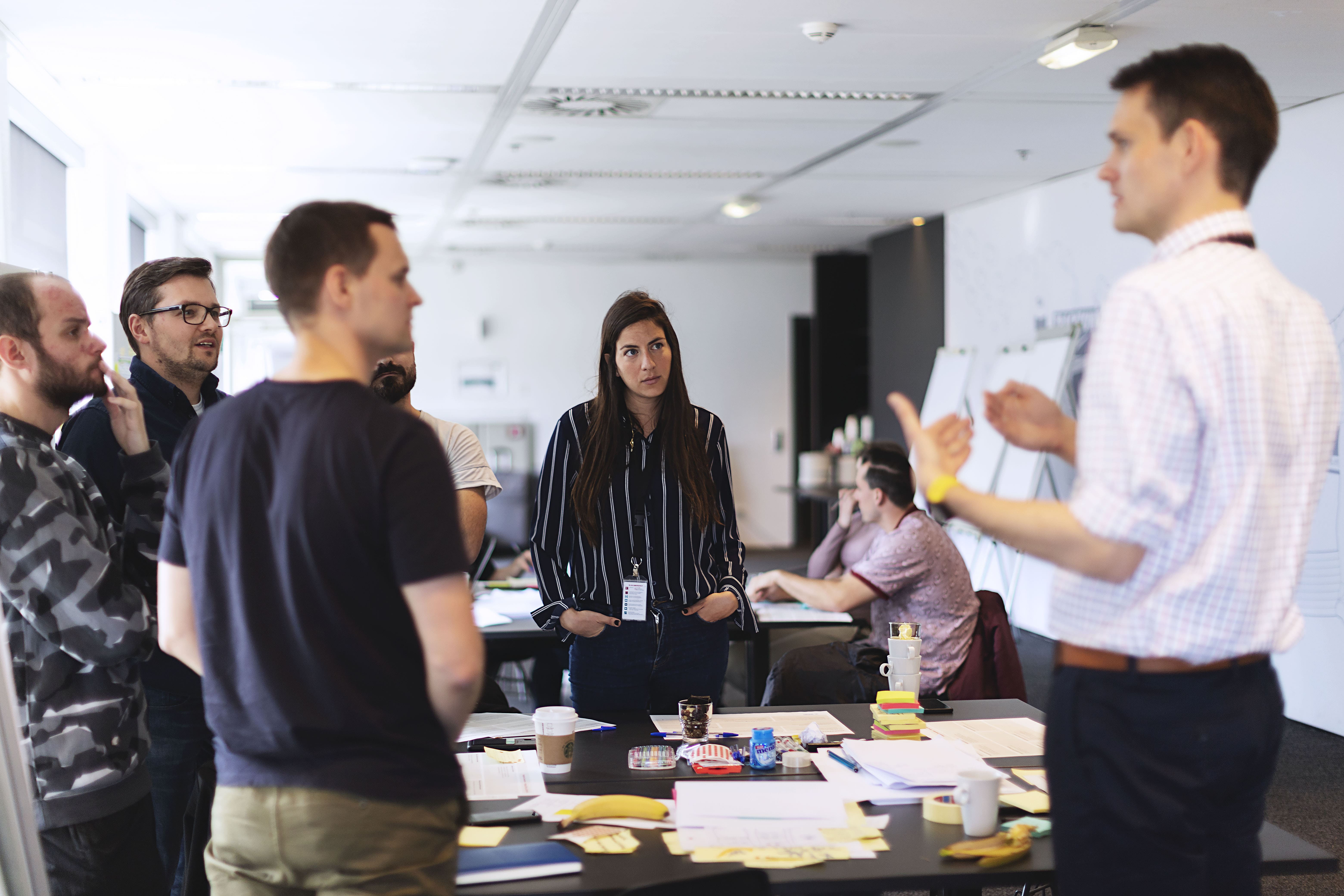
Corporate Retreat Facilitation
Does your leadership off-site spark energy in the room, only for everything to slip back to business as usual on Monday?
With skilled facilitation, those same retreats become moments of real progress where conversations turn into concrete decisions, energy stays high across multiple days, and executives leave aligned around a focused set of priorities.
02
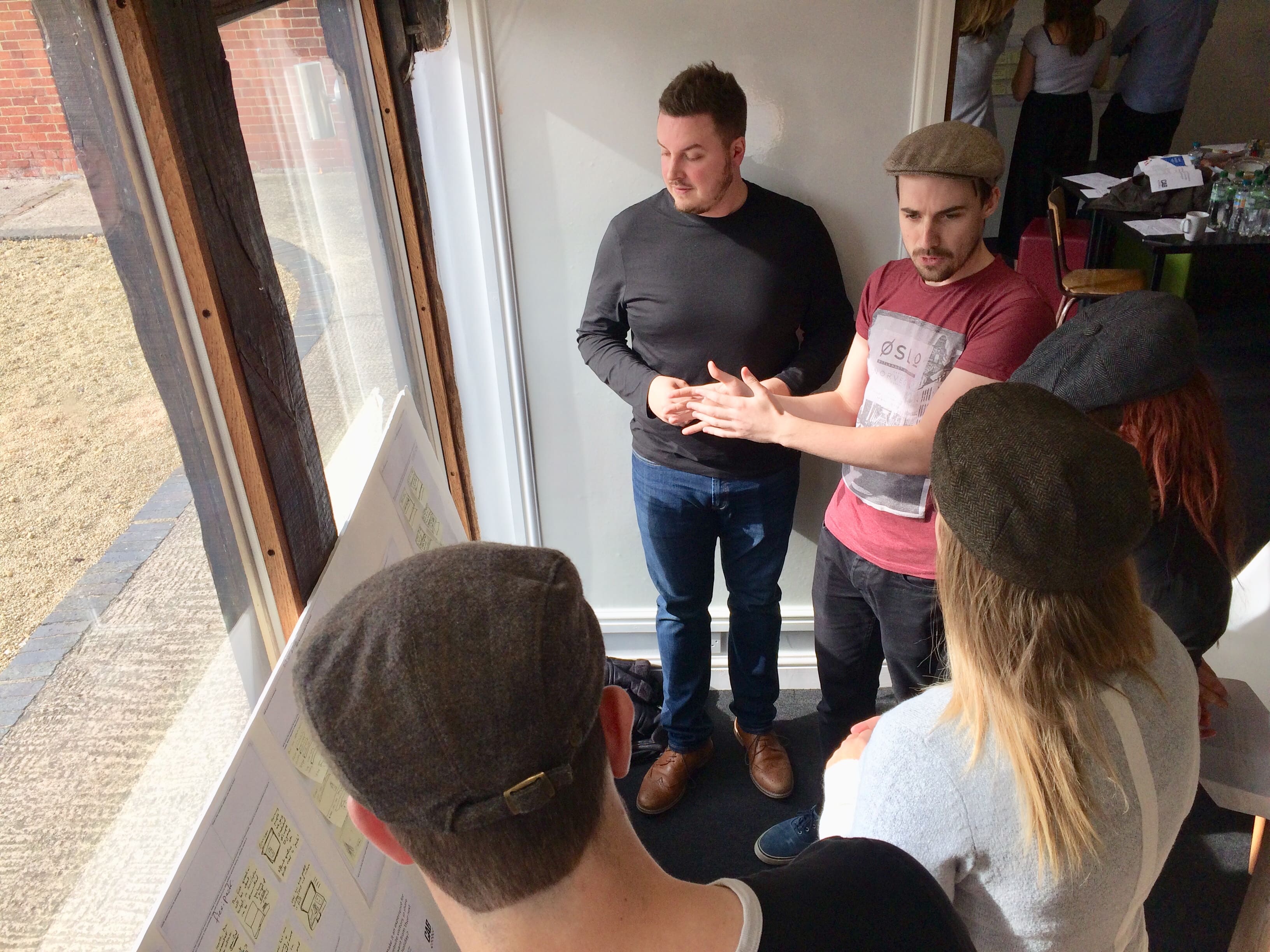
Executive Facilitation
Executive teams carry the weight of investor expectations, daily firefighting, and reputational risk.
Without structure, discussions often stall or circle back. Executive facilitation keeps the conversation focused, helps the group weigh trade-offs quickly, and enables the leadership team to leave aligned on clear decisions they can stand behind together.
03
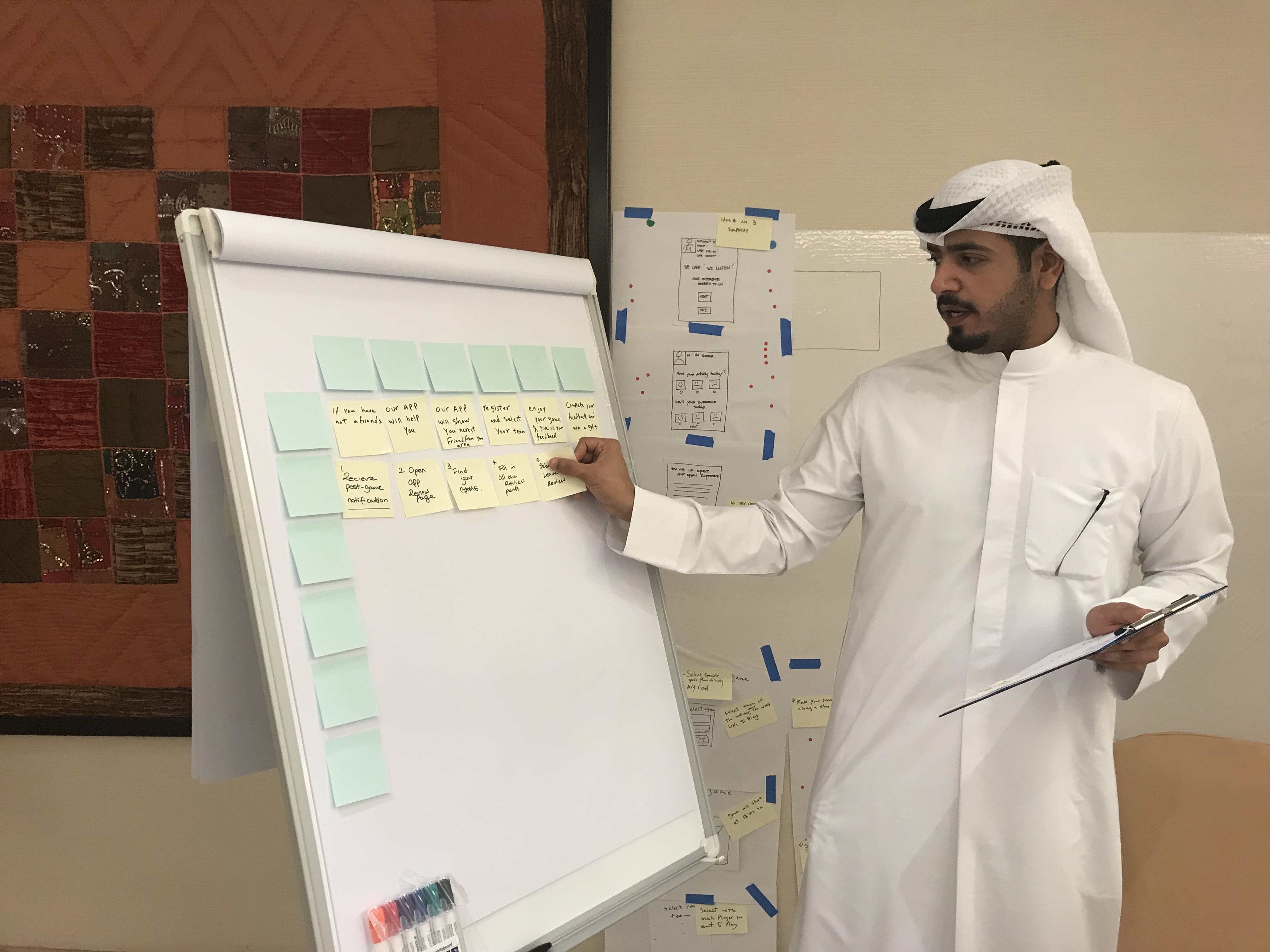
Board Facilitator
Boards meet infrequently, with packed agendas and high-stakes issues on the table—from succession to strategy to risk.
That combination makes it easy for discussions to run long while decisions remain unresolved. A board facilitator helps the board use its limited time well: surfacing diverse viewpoints quickly, keeping debate focused, and guiding the group toward clear, collective commitments.
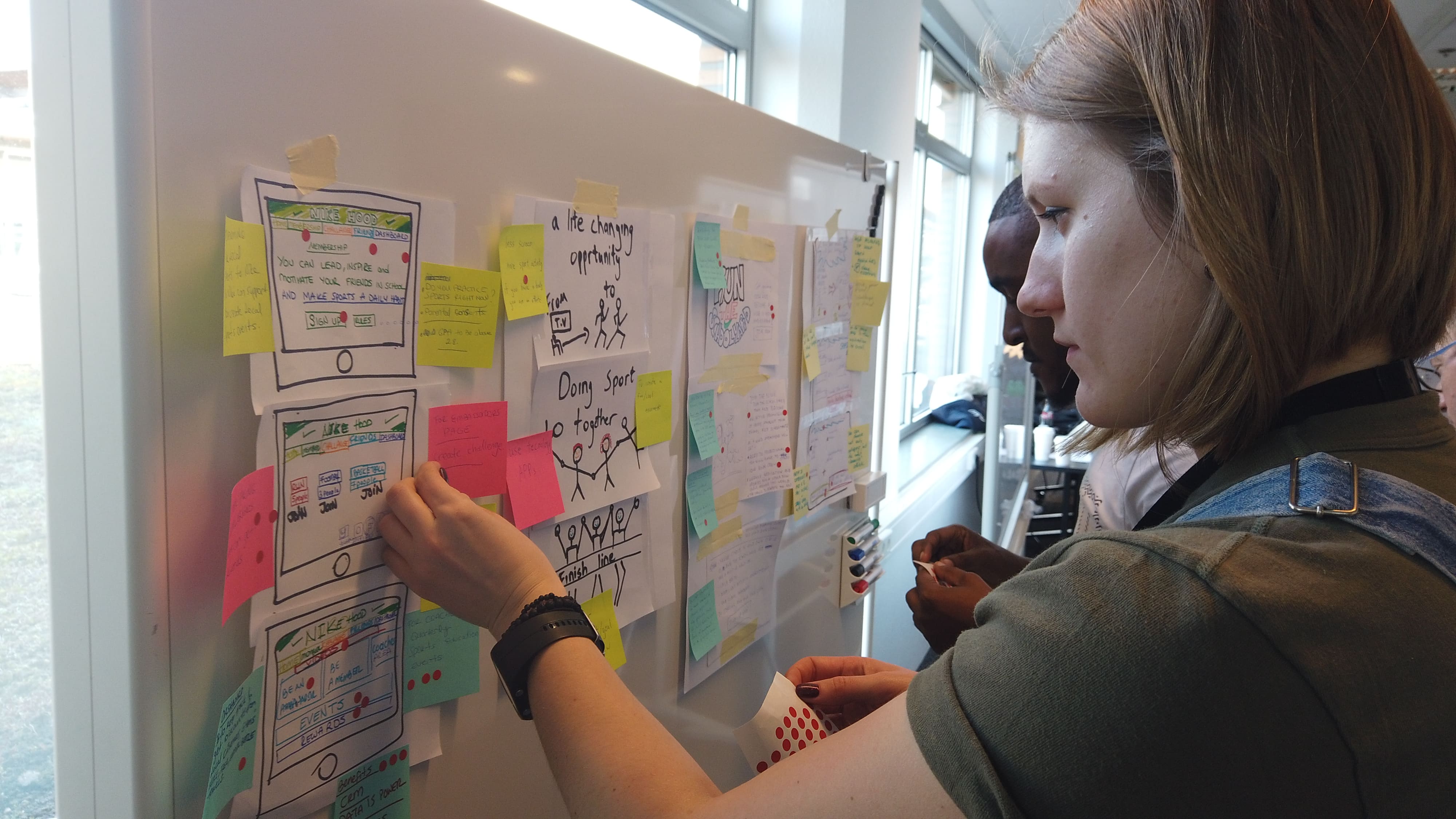
04
Design Thinking Workshop
When traditional approaches hit a wall, leaders need a way to unlock fresh thinking without losing sight of real business challenges.
A design thinking workshop creates space to reframe problems, test unconventional ideas, and explore bold options. Design thinking helps teams of all sizes move beyond incremental improvements toward strategies that truly shift the dial.
Meeting Types: Strategic meetings that benefit from facilitation
There are a number of important meetings that benefit from proper facilitation, creating positive energy and action.
01
Corporate Retreat Facilitation
Does your leadership off-site spark energy in the room, only for everything to slip back to business as usual on Monday?
With skilled facilitation, those same retreats become moments of real progress where conversations turn into concrete decisions, energy stays high across multiple days, and executives leave aligned around a focused set of priorities.
02
Executive Facilitation
Executive teams carry the weight of investor expectations, daily firefighting, and reputational risk.
Without structure, discussions often stall or circle back. Executive facilitation keeps the conversation focused, helps the group weigh trade-offs quickly, and enables the leadership team to leave aligned on clear decisions they can stand behind together.
03
Board Facilitator
Boards meet infrequently, with packed agendas and high-stakes issues on the table—from succession to strategy to risk.
That combination makes it easy for discussions to run long while decisions remain unresolved. A board facilitator helps the board use its limited time well: surfacing diverse viewpoints quickly, keeping debate focused, and guiding the group toward clear, collective commitments.
04
Design Thinking Workshop
When traditional approaches hit a wall, leaders need a way to unlock fresh thinking without losing sight of real business challenges.
A design thinking workshop creates space to reframe problems, test unconventional ideas, and explore bold options. Design thinking helps teams of all sizes move beyond incremental improvements toward strategies that truly shift the dial.
Meeting Types: Strategic meetings that benefit from facilitation
There are a number of important meetings that benefit from proper facilitation, creating positive energy and action.
01
Corporate Retreat Facilitation
Does your leadership off-site spark energy in the room, only for everything to slip back to business as usual on Monday?
With skilled facilitation, those same retreats become moments of real progress where conversations turn into concrete decisions, energy stays high across multiple days, and executives leave aligned around a focused set of priorities.
02
Executive Facilitation
Executive teams carry the weight of investor expectations, daily firefighting, and reputational risk.
Without structure, discussions often stall or circle back. Executive facilitation keeps the conversation focused, helps the group weigh trade-offs quickly, and enables the leadership team to leave aligned on clear decisions they can stand behind together.
03
Board Facilitator
Boards meet infrequently, with packed agendas and high-stakes issues on the table—from succession to strategy to risk.
That combination makes it easy for discussions to run long while decisions remain unresolved. A board facilitator helps the board use its limited time well: surfacing diverse viewpoints quickly, keeping debate focused, and guiding the group toward clear, collective commitments.
04
Design Thinking Workshop
When traditional approaches hit a wall, leaders need a way to unlock fresh thinking without losing sight of real business challenges.
A design thinking workshop creates space to reframe problems, test unconventional ideas, and explore bold options. Design thinking helps teams of all sizes move beyond incremental improvements toward strategies that truly shift the dial.
Brief a Partner today



We'll ask you 5 questions to get to the heart of what you need, in 30 minutes.
" height="198.40407712382307px" id="qTxWWTS8i" transform="translate(0 309.5)" width="431.8266530019588px"/><path d="M 238.182 244.86 C 151.527 340.665 51.113 391.045 13.9 357.386 C -23.313 323.728 16.767 218.776 103.422 122.971 C 190.077 27.166 290.492 -23.214 327.705 10.444 C 364.918 44.103 324.837 149.054 238.182 244.86 Z" fill="rgb(255, 248, 237)" height="367.83054603426103px" id="nEFUiIg6Z" transform="translate(591 201)" width="341.60455054448755px"/><path d="M 253.532 255.209 C 228.193 381.881 152.763 473.589 85.055 460.045 C 17.347 446.501 -17 332.833 8.339 206.162 C 33.678 79.49 109.108 -12.218 176.816 1.327 C 244.524 14.871 278.871 128.538 253.532 255.209 Z" fill="rgb(255, 248, 237)" height="461.37127009418964px" id="OlPh1vF4H" transform="translate(1137 0)" width="261.87125607702px"/><path d="M 313.466 294.977 C 248.876 406.852 136.111 462.67 61.6 419.65 C -12.911 376.631 -20.954 251.066 43.637 139.191 C 108.227 27.317 220.992 -28.501 295.503 14.519 C 370.014 57.538 378.057 183.103 313.466 294.977 Z" fill="rgb(255, 248, 237)" height="434.1689628835411px" id="jnRiWPIDy" transform="translate(1628 61.5)" width="357.10283592798146px"/><path d="M 407.29 337.414 C 342.699 449.288 206.688 491.684 103.5 432.109 C 0.313 372.533 -30.977 233.546 33.614 121.672 C 98.204 9.798 234.216 -32.599 337.403 26.977 C 440.591 86.553 471.881 225.54 407.29 337.414 Z" fill="rgb(255, 248, 237)" height="459.08589499104113px" id="CTE6Ymig_" transform="translate(2086.5 311)" width="440.9038716893315px"/></g></svg>)
Brief a Partner today
We'll ask you 5 questions to get to the heart of what you need, in 30 minutes.
Brief a Partner today
We'll ask you 5 questions to get to the heart of what you need, in 30 minutes.